
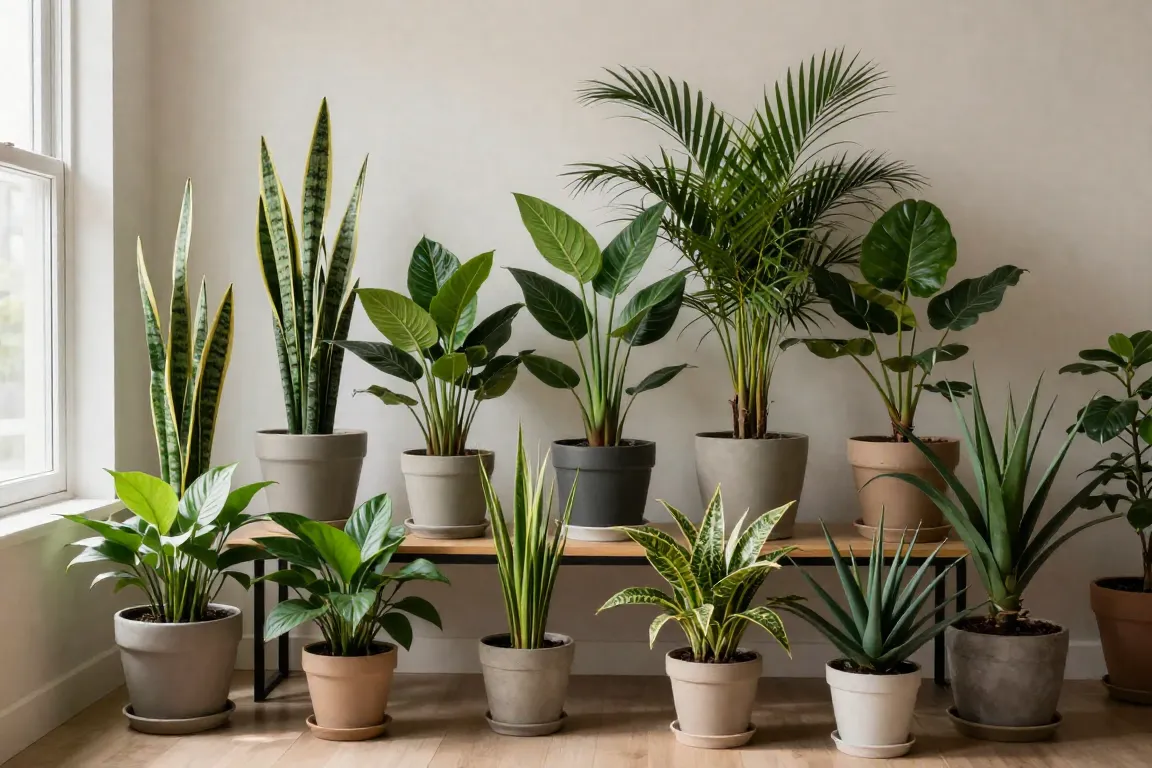
20 Best Indoor Plants for Beginners
Starting with the right houseplant can make indoor gardening much easier. The best indoor plants for beginners aren’t plants that can survive anything; they are plants that give you room to learn.
For this list, I chose plants that fit a few clear criteria: they adapt to normal indoor conditions, are easy to find, reasonably affordable, grow well without complicated care, and are easy to propagate. I also considered whether each plant can tolerate common beginner mistakes such as inconsistent watering or less-than-perfect light.
A good first plant should help you build confidence rather than make you feel like you need a greenhouse to keep it alive.
What Makes an Indoor Plant Good for Beginners?
The best beginner houseplants usually have several useful traits:
| Trait | Why It Matters |
| Adaptability | A plant that can adjust to ordinary indoor conditions gives beginners more room for error. |
| Easy to find | Common plants are easier to buy, identify, replace, and find reliable care information for. |
| Affordable | An inexpensive starter plant makes learning less risky. Prices vary by plant size, variety, and location. |
| Reasonable growth | Visible new leaves make it easier for beginners to see whether their care is working. |
| Easy propagation | Simple cuttings, divisions, or plantlets let you make new plants without buying another one. |
| Forgiving nature | This is especially important. A plant that tolerates occasional drying or imperfect conditions is easier for a first-time grower. |
| Realistic indoor-light needs | “Low light” does not mean darkness. A beginner plant still needs enough usable light to grow. |
| Simple watering | Plants that can tolerate the soil drying to an appropriate degree are generally easier than plants needing constant moisture. |
Not every plant below excels in every trait. For example, a ZZ plant grows slowly, but its drought tolerance makes it an excellent beginner choice. Pothos, spider plant, and Tradescantia are better choices when fast growth and easy propagation matter more.
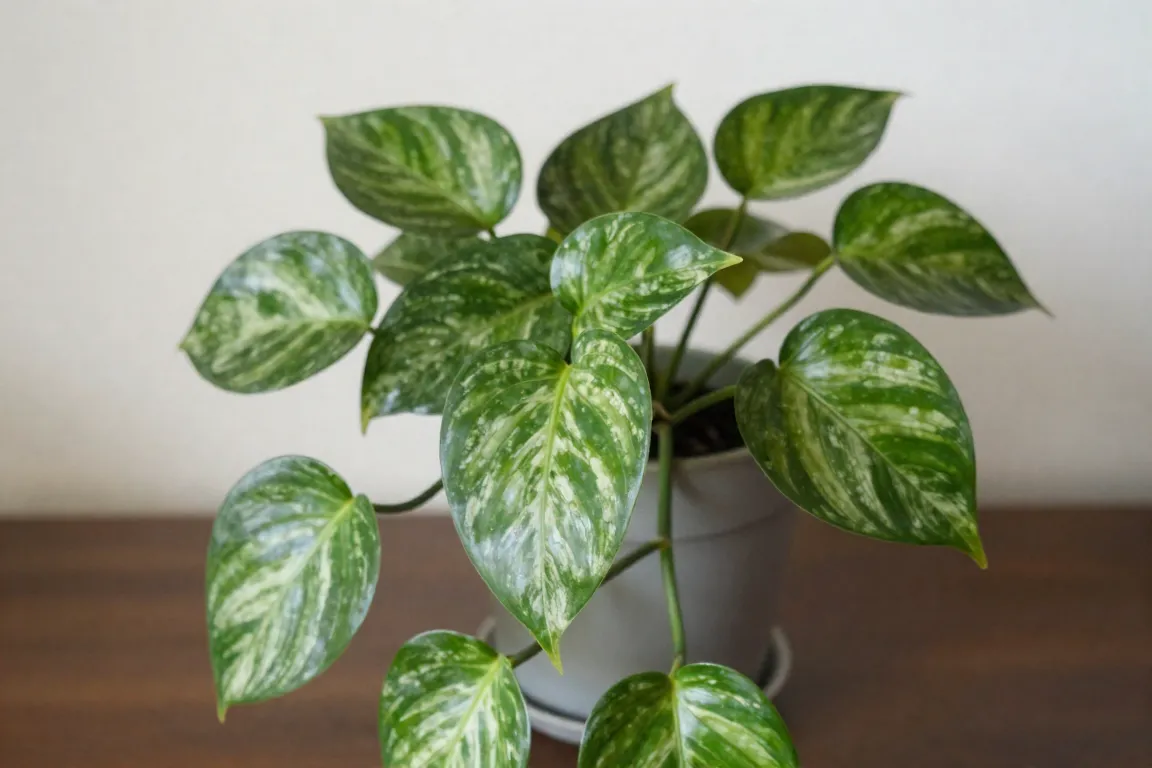
1. Pothos
Scientific name: Epipremnum aureum
Pothos is one of the best first indoor plants because it offers almost everything beginners want: it is common, adaptable, easy to grow, and produces long trailing stems that clearly show new growth. It can handle a range of indoor conditions, although brighter indirect light usually produces better growth and variegation. Penn State describes pothos as hardy, versatile, and very easy to grow, making it a strong choice for houseplant novices.
It is also one of the easiest plants to propagate. A healthy stem cutting containing a suitable node can be rooted to produce another plant, making pothos a practical choice for beginners who want to learn propagation.
2. Snake Plant
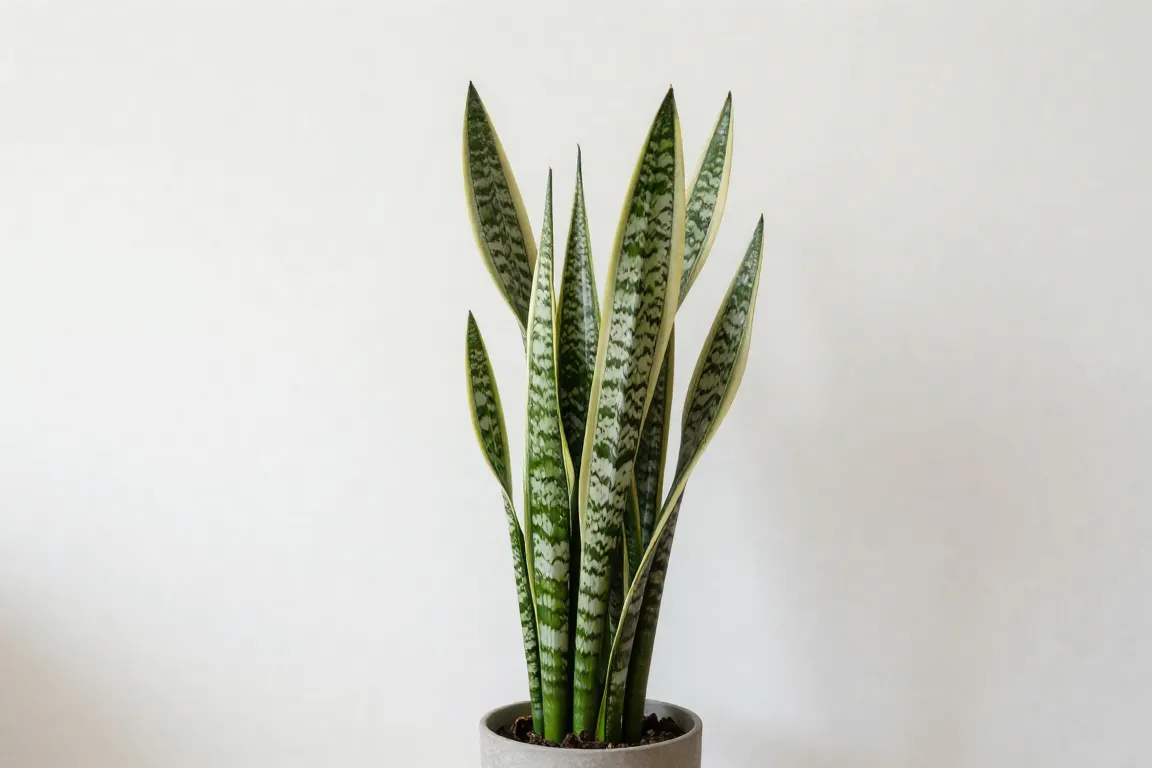
Scientific name: Dracaena trifasciata
The snake plant is an excellent beginner choice for people who tend to forget watering. Its thick leaves and underground structures let it tolerate dry periods, and it adapts to a wide range of indoor light conditions. It is particularly useful for beginners because overwatering is generally a greater problem than letting the soil dry between waterings.
You can also propagate snake plants by division or leaf cuttings. One detail worth knowing is that leaf-cutting propagation can produce plain green plants rather than preserving the pattern of some variegated varieties.
3. Spider Plant
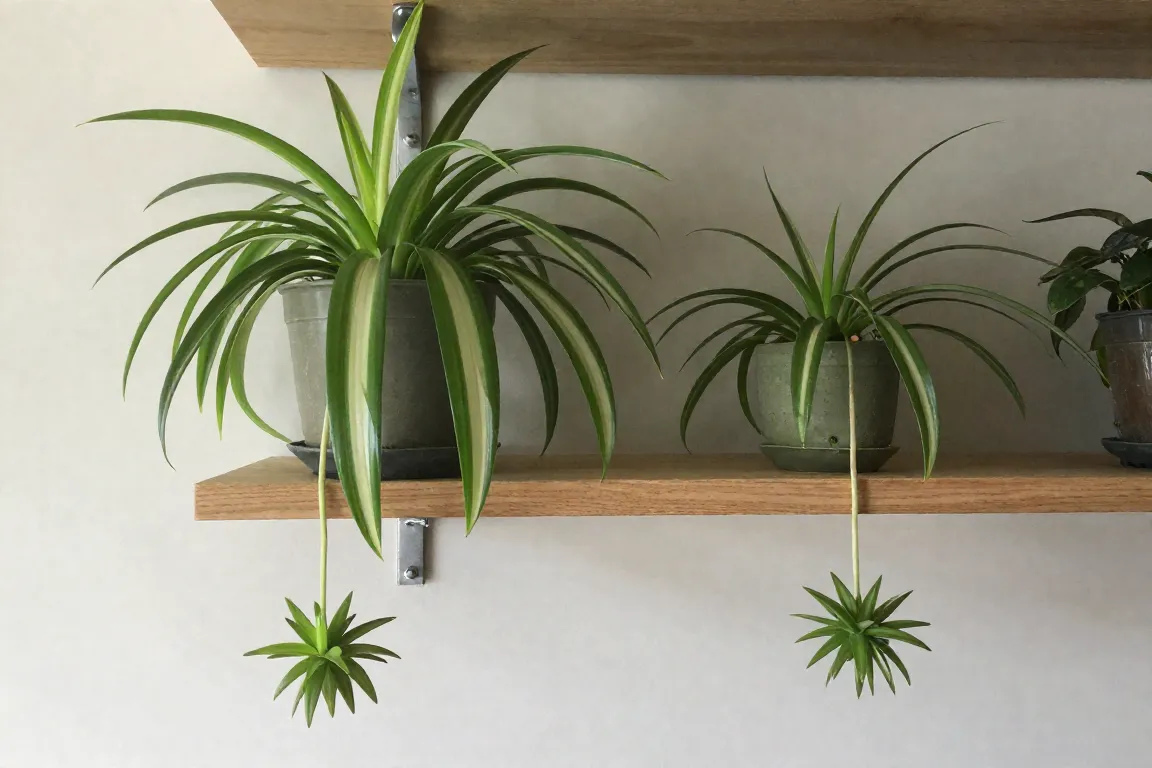
Scientific name: Chlorophytum comosum
The spider plant is one of the easiest houseplants for beginners who want quick results. It grows arching leaves and often produces little plantlets, commonly called spider babies, on long stems. It tolerates a range of indoor light conditions and doesn’t require complicated care. The Royal Horticultural Society describes it as easy to grow and propagate and notes that it tolerates a little neglect.
Its natural production of plantlets also makes propagation particularly satisfying. A beginner can turn one established plant into several new plants without needing advanced techniques.
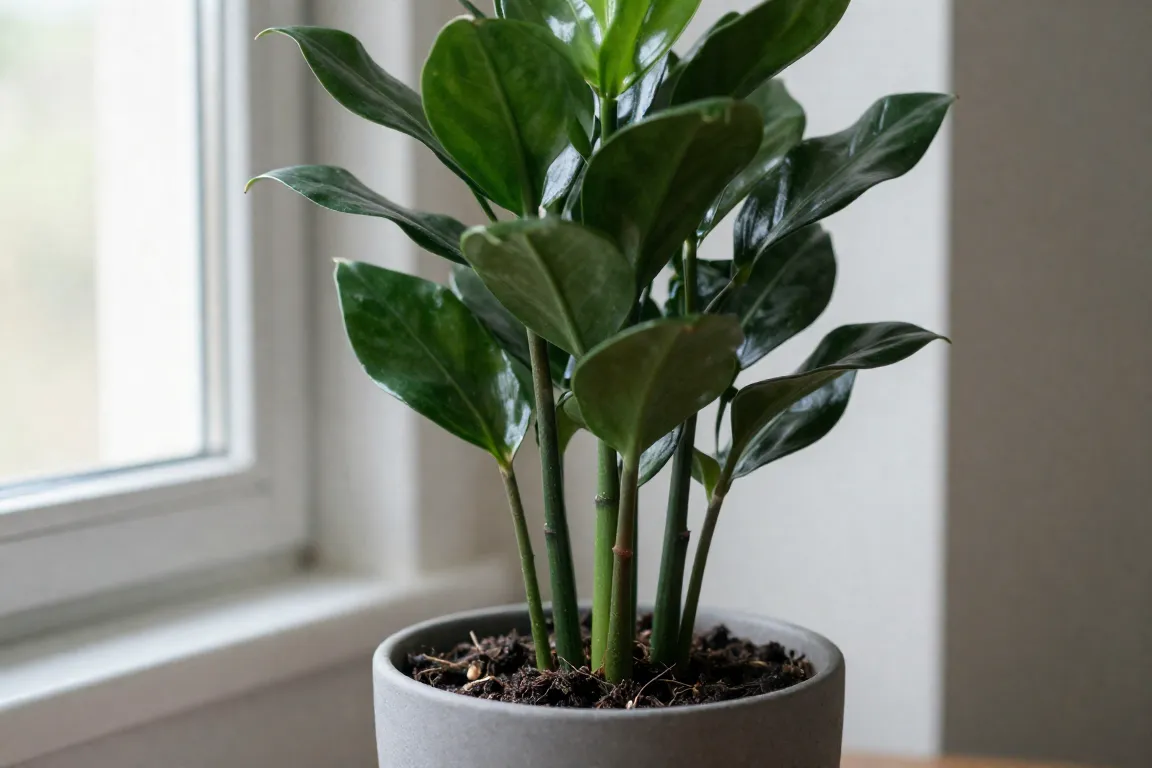
4. ZZ Plant
Scientific name: Zamioculcas zamiifolia
ZZ plant is one of the best choices for a beginner who wants a low-maintenance houseplant. Its thick underground rhizomes store water, helping the plant tolerate dry conditions, and it can remain healthy under relatively low indoor light. It is also known for having few serious pest or disease problems under normal indoor conditions.
The trade-off is growth speed: ZZ plants are slow-growing. That means it doesn’t match the “fast growth” trait as well as pothos or Tradescantia, but its ability to tolerate neglect makes it an excellent first plant.
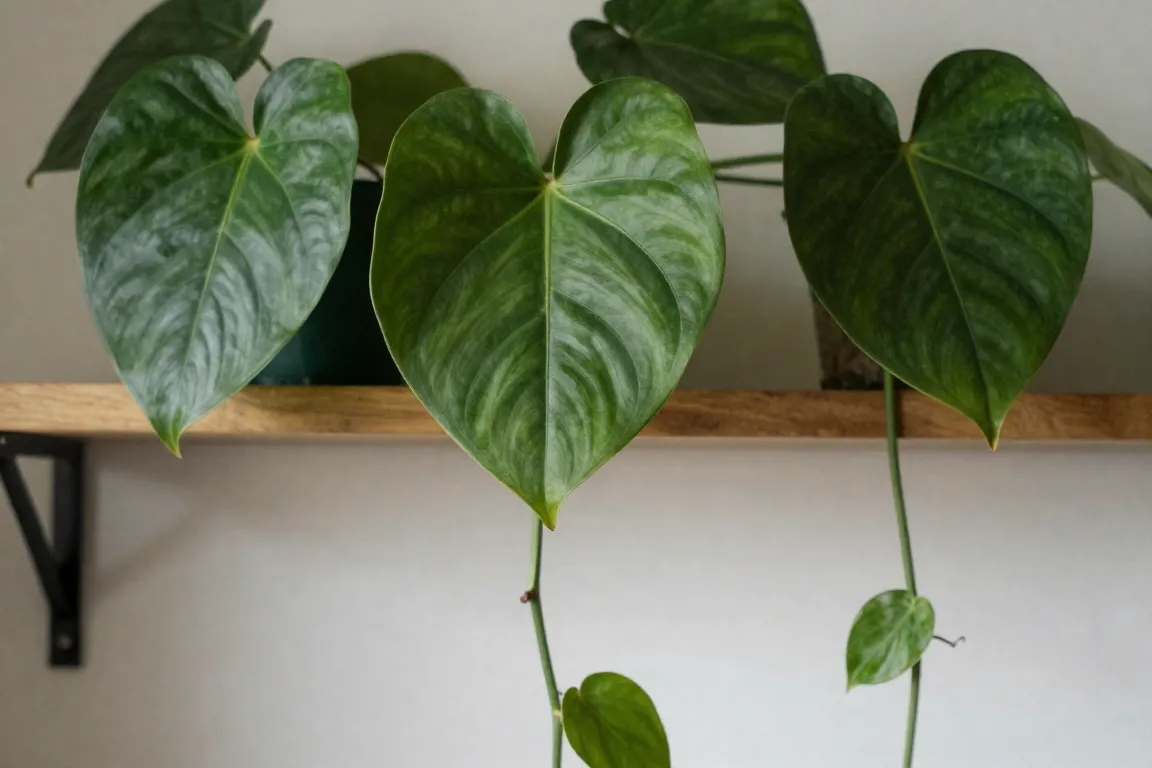
5. Heartleaf Philodendron
Scientific name: Philodendron hederaceum
Heartleaf philodendron is a forgiving trailing houseplant with attractive heart-shaped leaves. It is a good option for beginners who want something similar to pothos but with a slightly different leaf and growth habit. Under suitable indoor conditions, it can produce new growth steadily and can be trained to climb or allowed to trail.
It is also easy to propagate from stem cuttings, making it useful for someone who wants a plant that can become a small collection over time. Iowa State lists heartleaf philodendron among its easy-to-propagate houseplants.
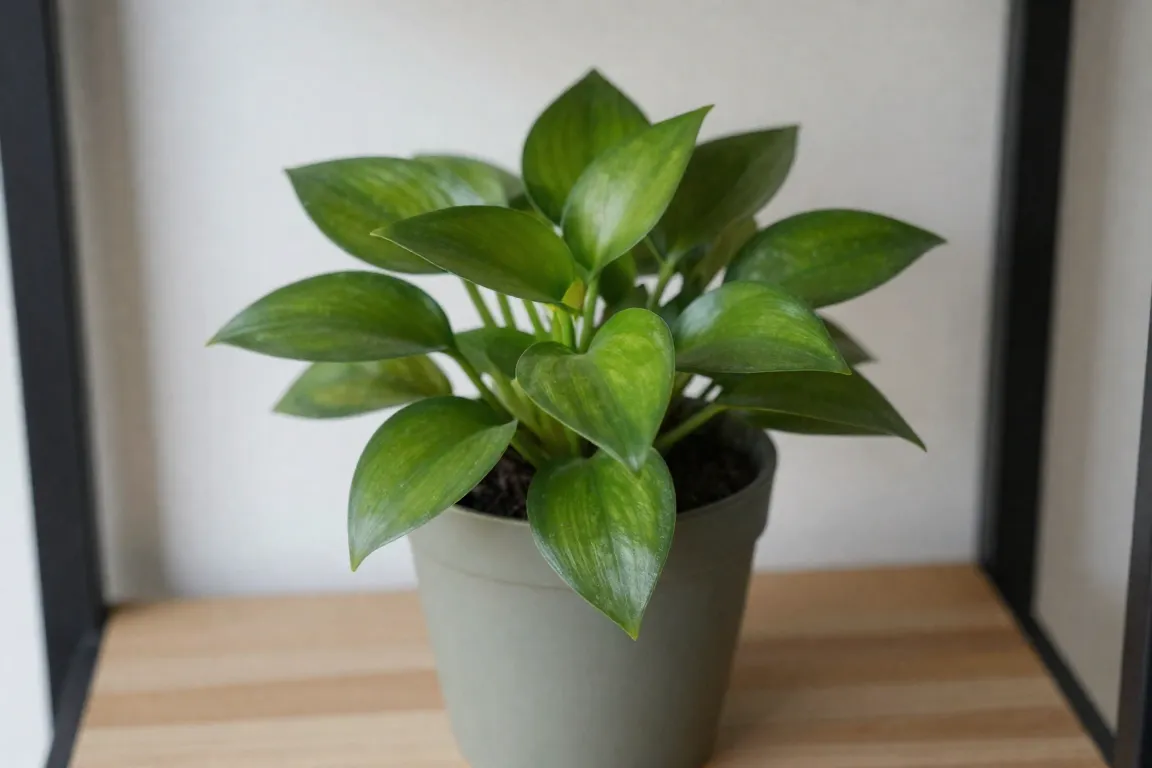
6. Arrowhead Plant
Scientific name: Syngonium podophyllum
Arrowhead plant is a fast-growing choice for beginners who want visible changes rather than a plant that seems unchanged for months. Its arrow-shaped leaves are easy to recognize, and its stems can develop into a trailing or climbing form as the plant matures.
Propagation is another advantage. Syngonium is among the houseplants identified as easy to propagate, so a beginner can learn from simple stem cuttings rather than starting with seeds.
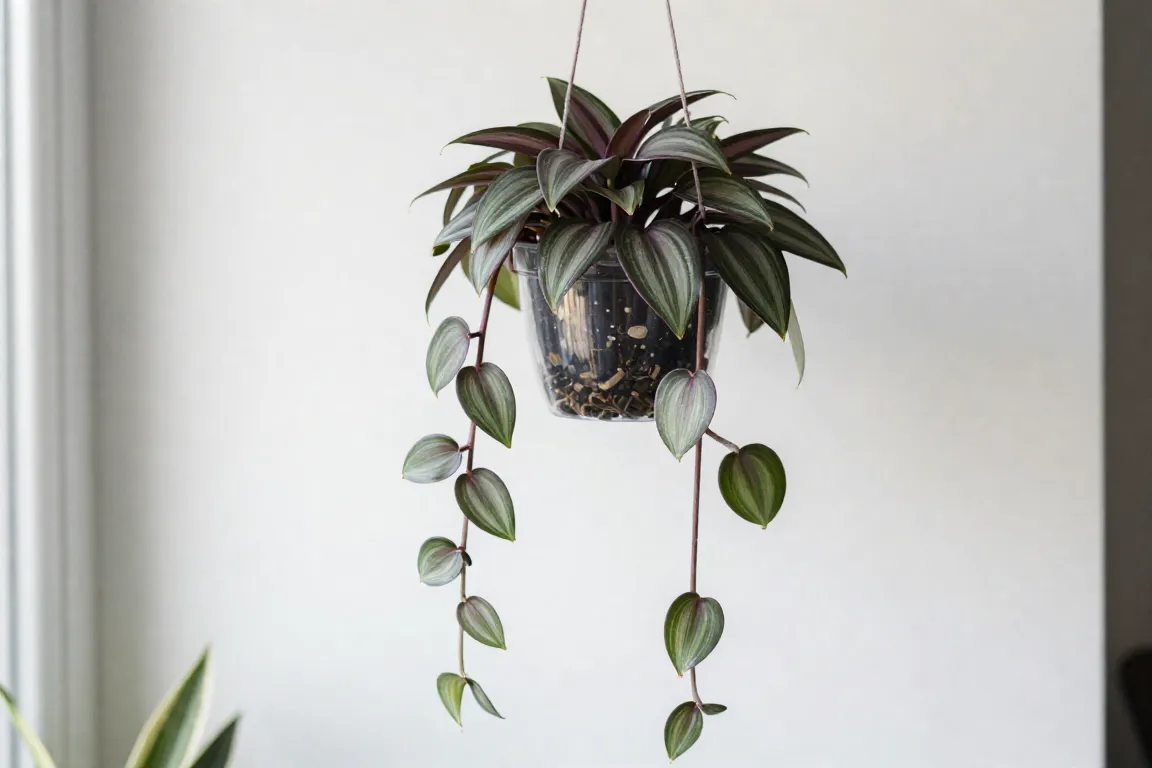
7. Inch Plant
Scientific name: Tradescantia zebrina
Tradescantia is a strong choice for beginners who want fast growth and easy propagation. Its striped leaves and trailing stems can quickly fill a hanging pot or shelf, and stem cuttings can produce new plants.
Because it grows quickly, it also gives beginners useful feedback. When light, watering, and general conditions are suitable, new growth is usually easy to notice.
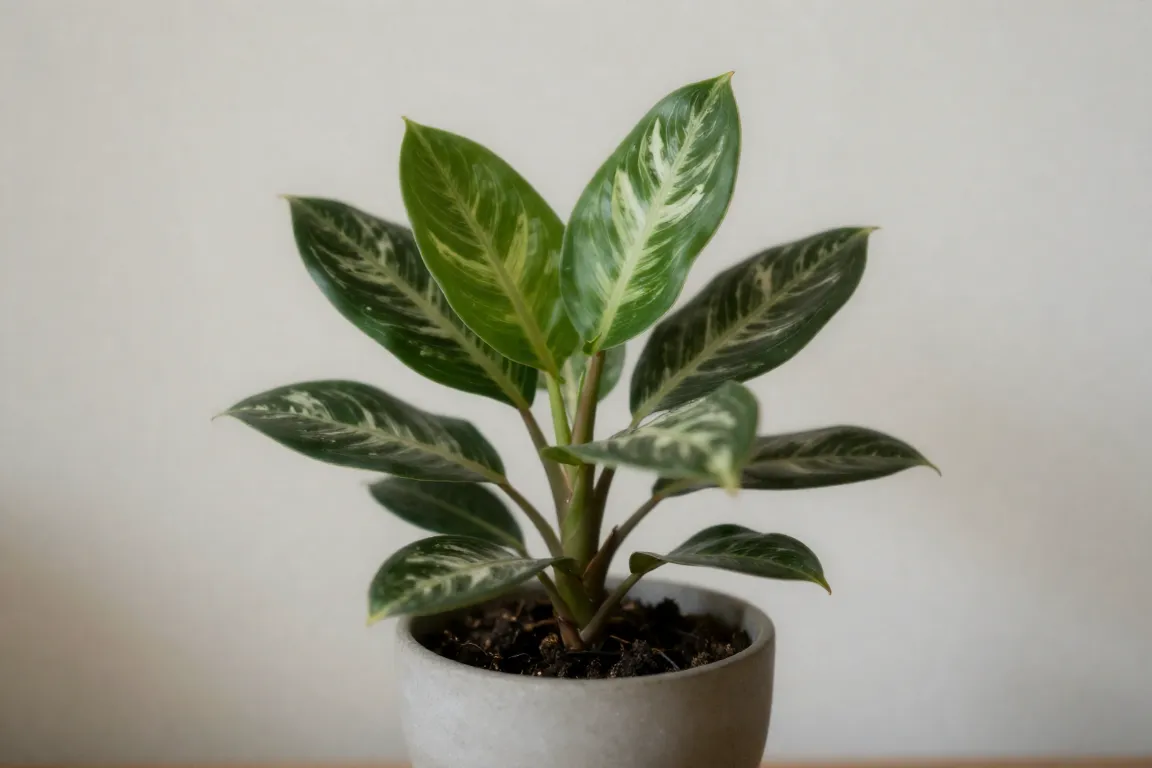
8. Chinese Evergreen
Scientific name: Aglaonema spp.
Chinese evergreen is a dependable foliage plant for beginners who want an attractive upright plant without choosing a succulent. Different varieties have green, silver, cream, or patterned leaves, giving beginners plenty of options while retaining a generally adaptable indoor growth habit.
It is a better choice for someone who wants visual interest from the foliage itself rather than rapid trailing growth. Just remember that low light still means some usable indoor light; no houseplant should be expected to thrive in complete darkness.
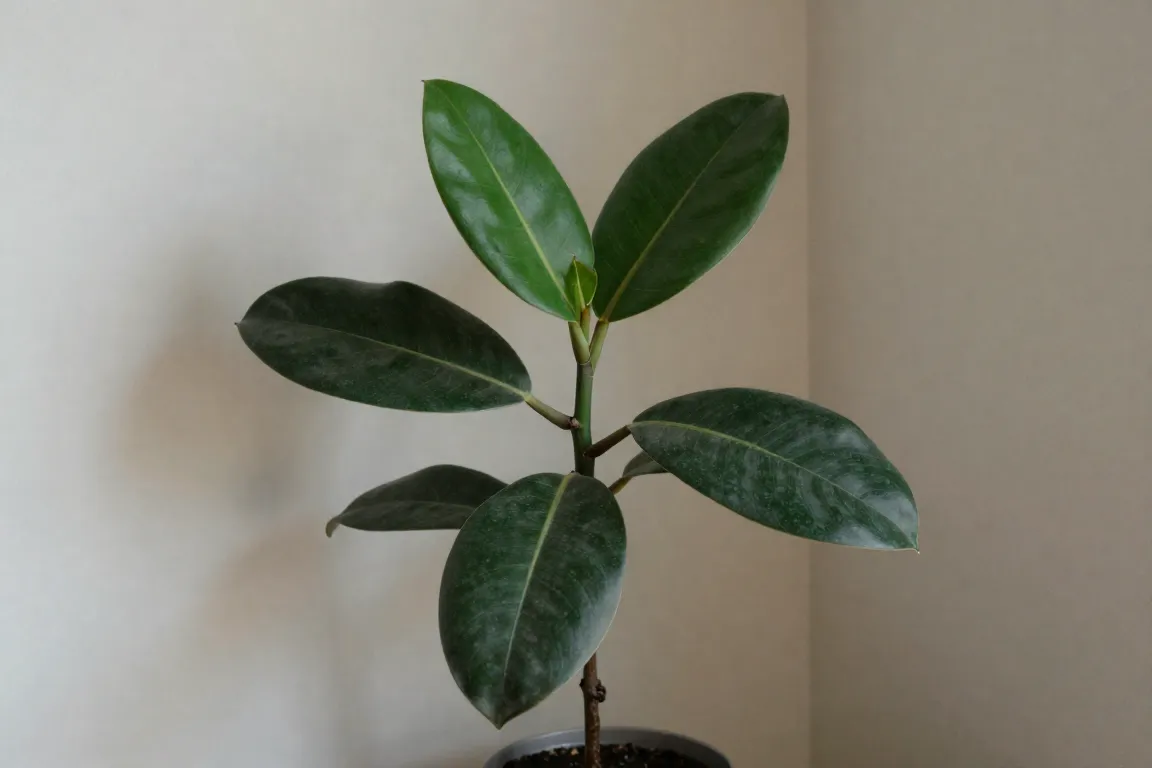
9. Rubber Plant
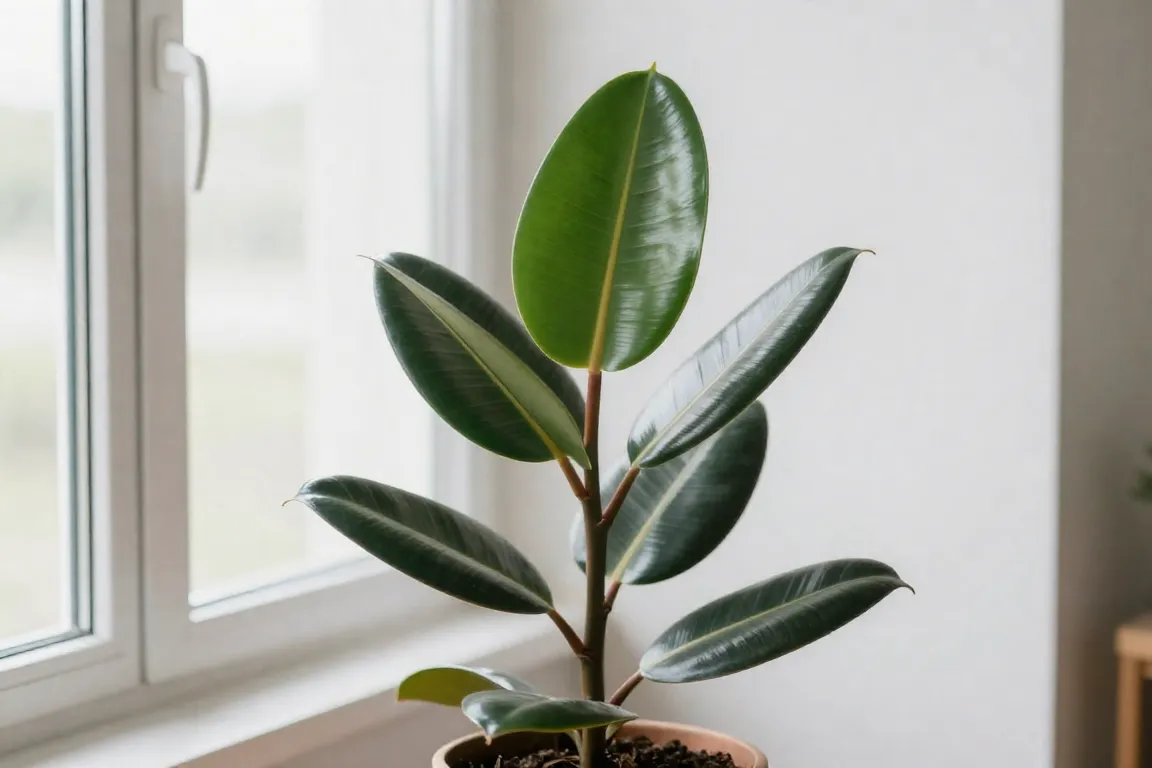
Scientific name: Ficus elastica
The rubberThe rubber plant is a good beginner choice for someone who wants a larger, more dramatic houseplant. Its large, glossy leaves make new growth easy to notice, and the plant can become an impressive indoor specimen with suitable light.
It is not as forgiving of poor conditions as a snake plant or ZZ plant, so it belongs later in the beginner list. However, it combines straightforward care with strong visual impact and can also be propagated from cuttings.
10. Baby Rubber Plant
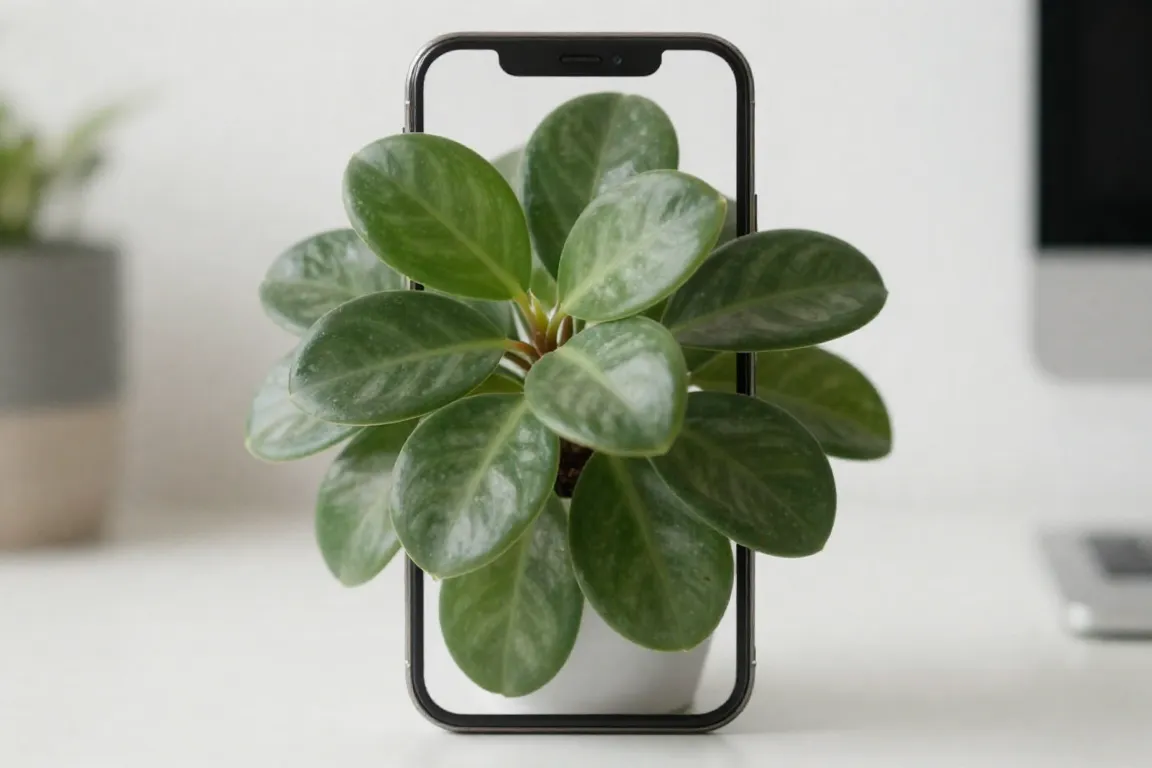
Scientific name: Peperomia obtusifolia
The babyThe baby rubber plant is compact, attractive, and well suited to desks, shelves, and small rooms. Its thick, fleshy leaves tolerate drying between waterings, which can help beginners learn when to water.
Peperomias can also be propagated from leaf or stem material, giving beginners another relatively simple way to learn propagation without dealing with a large plant.
11. Jade Plant
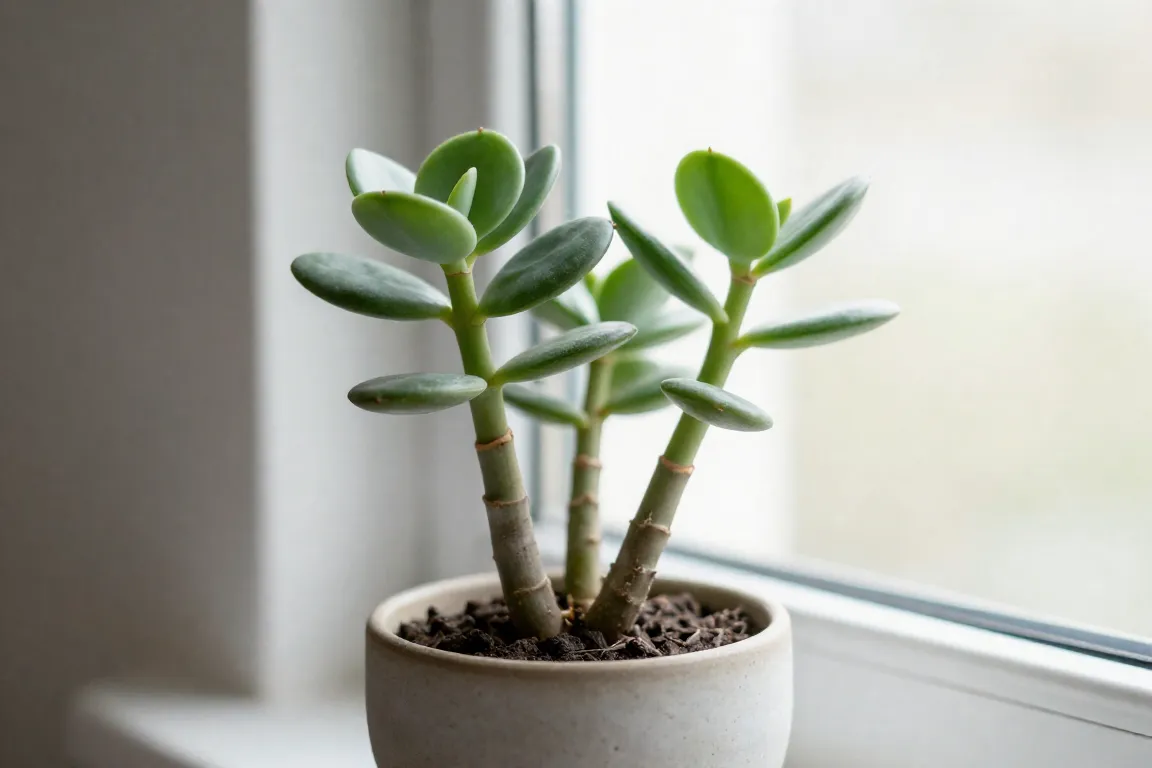
Scientific name: Crassula ovata
The jadeThe jade plant is a good match for beginners who frequently worry about underwatering and end up watering too often. Its thick leaves and stems store water, so it prefers a drying period between thorough waterings rather than constantly wet soil.
It is also easy to propagate from plant material, making it a useful plant for learning how succulents reproduce. Iowa State includes jade plant among its easy-to-propagate houseplants.
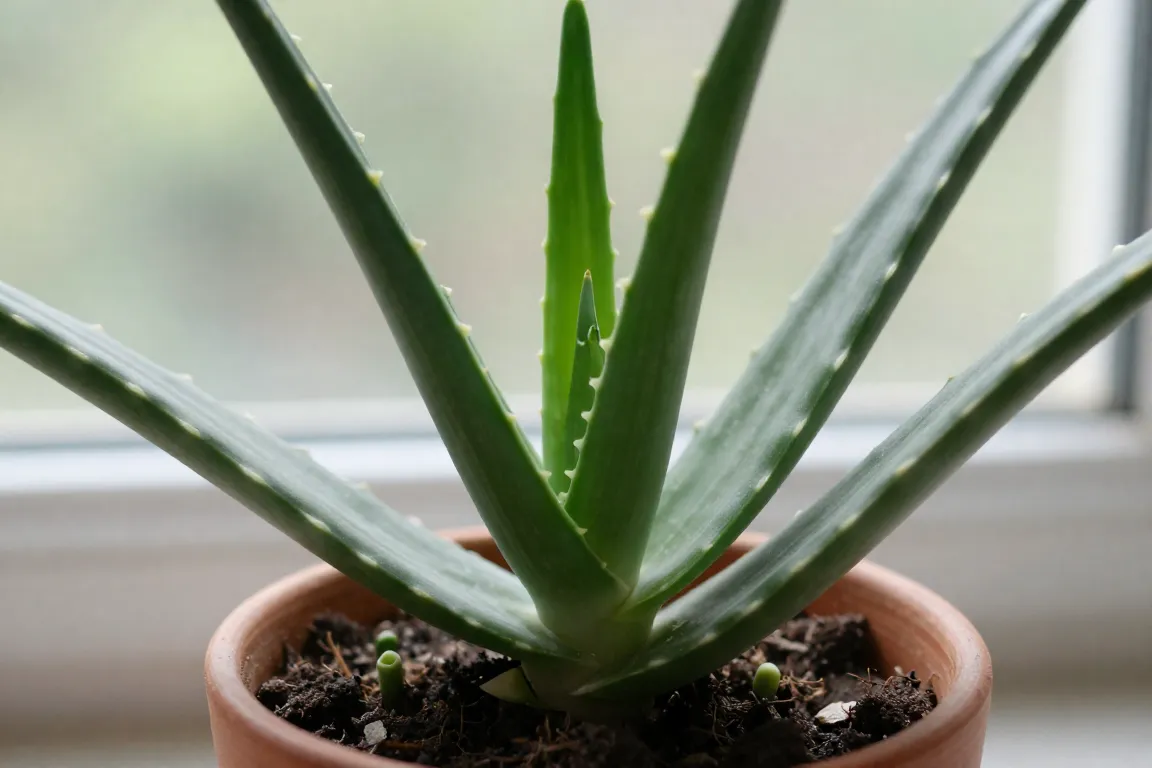
12. Aloe Vera
Scientific name: Aloe vera
Aloe vera is another excellent choice for beginners who tend to water too often. Its fleshy leaves store water, and the plant generally prefers to dry out between waterings rather than sit in wet soil.
Mature aloe plants can also produce offsets around the base that can eventually be separated and grown independently. Aloe is also included among houseplants that are relatively easy to propagate.
13. Cast-Iron Plant
Scientific name: Aspidistra elatior
The cast-ironThe cast-iron plant is a great choice for beginners withwith darker rooms whorooms who don’tn’t need fast growth. Its broad green leaves give it a lush , and it tolerateslook,and it tolerates less-than-perfect indoor conditions.
Its main disadvantage is that it doesn’t grow fast. It earns its place because adaptability and forgiveness can matter more than speed for a first-time plant owner.
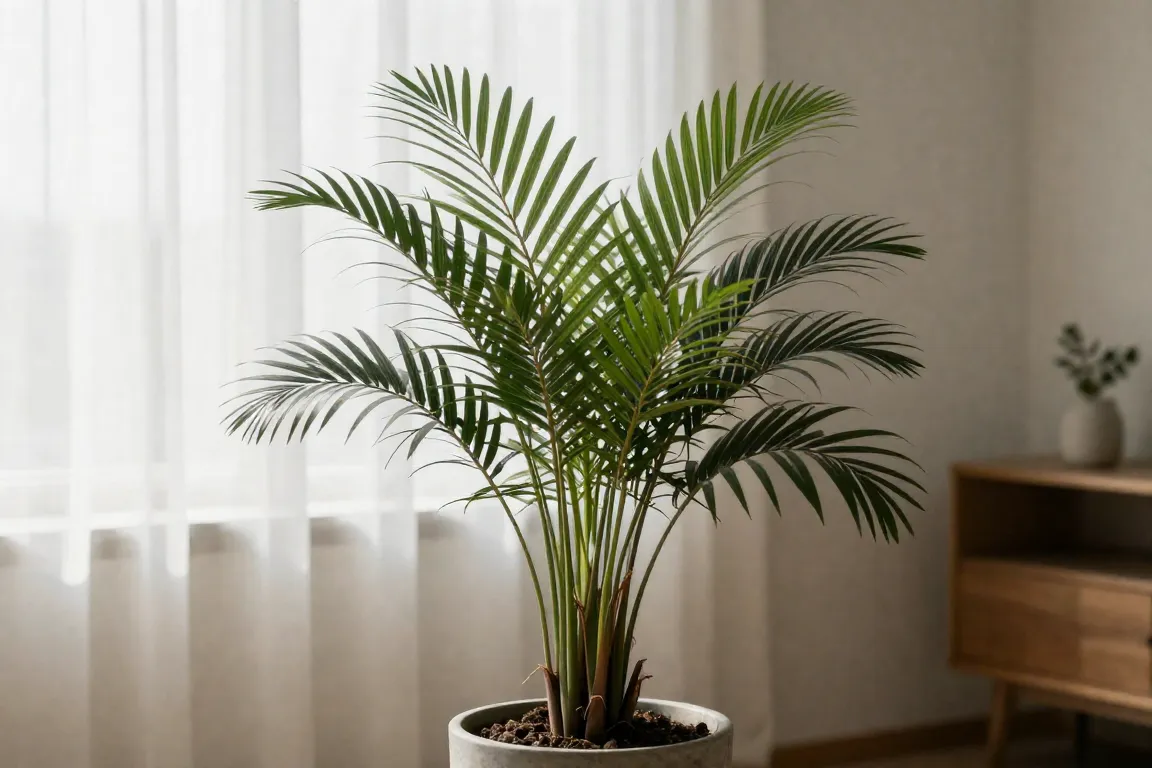
14. Parlor Palm
Scientific name: Chamaedorea elegans
Parlor palm is a good beginner option for someone who wants a softer, tropical-looking plant rather than thick leaves or trailing vines. Its narrow fronds create a fuller appearance without requiring complicated training or pruning.
Growth is relatively slow compared with plants such as pothos, so this is a better choice for someone who values a long-term indoor plant over rapid results.
15. Hoya
Scientific name: Hoya carnosa
Hoya is a good beginner plant for someone who wants thick, waxy leaves and a trailing growth habit. Its leaves hold more moisture than delicate-leaved plants, so it generally does not need constantly wet soil.
Hoya is not a fast-growing option, so it shouldn’t be chosen primarily for quick results. Its strengths are durability, distinctive foliage, and the ability to propagate from cuttings.
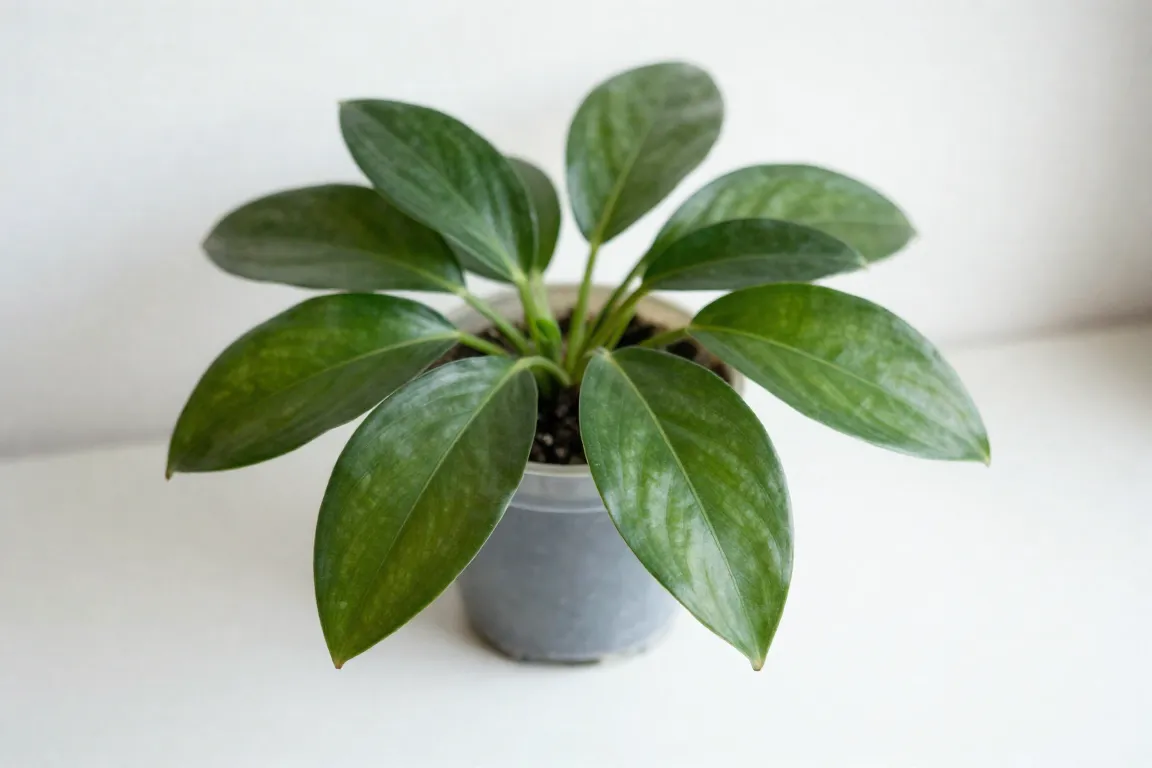
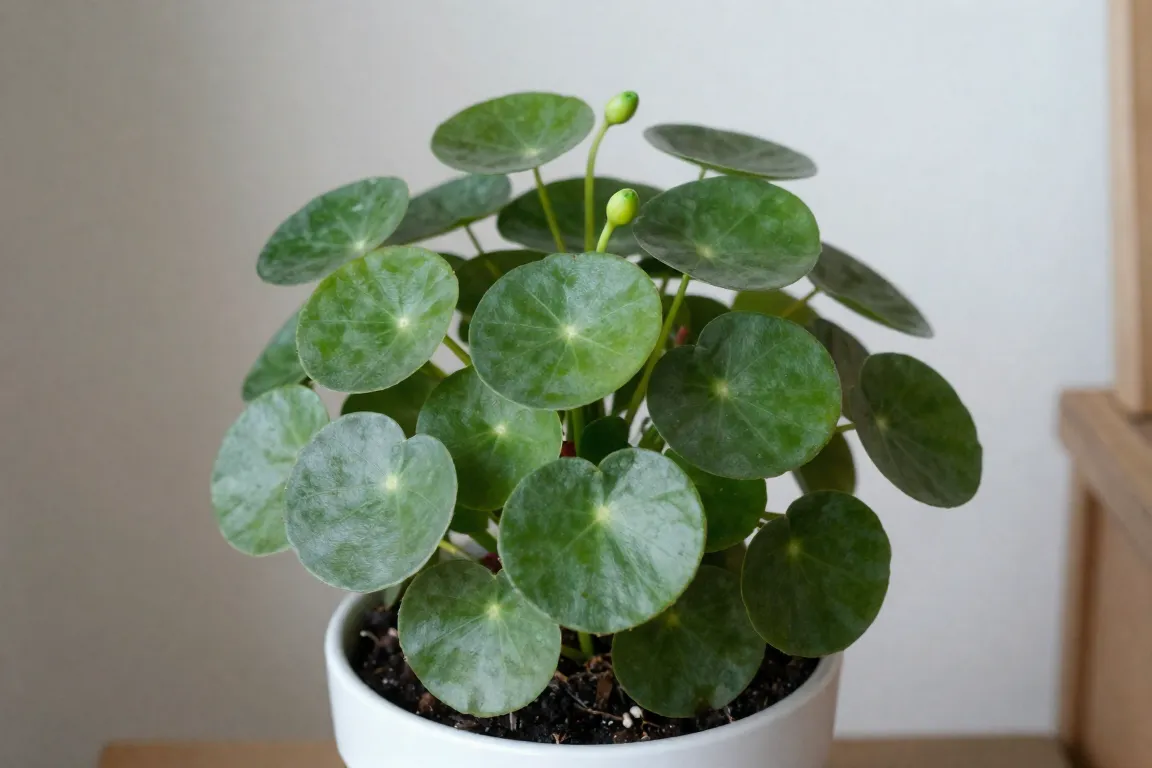
16. Chinese Money Plant
Scientific name: Pilea peperomioides
Chinese money plant is especially fun for beginners because it can produce small offsets around the parent plant. Its round leaves are easy to recognize, and its compact size makes it suitable for shelves, desks, and small living spaces.
It also grows relatively quickly under good conditions and can be propagated by separating offsets. Iowa State lists Chinese money plant among houseplants that are easy to propagate.
17. Peace Lily
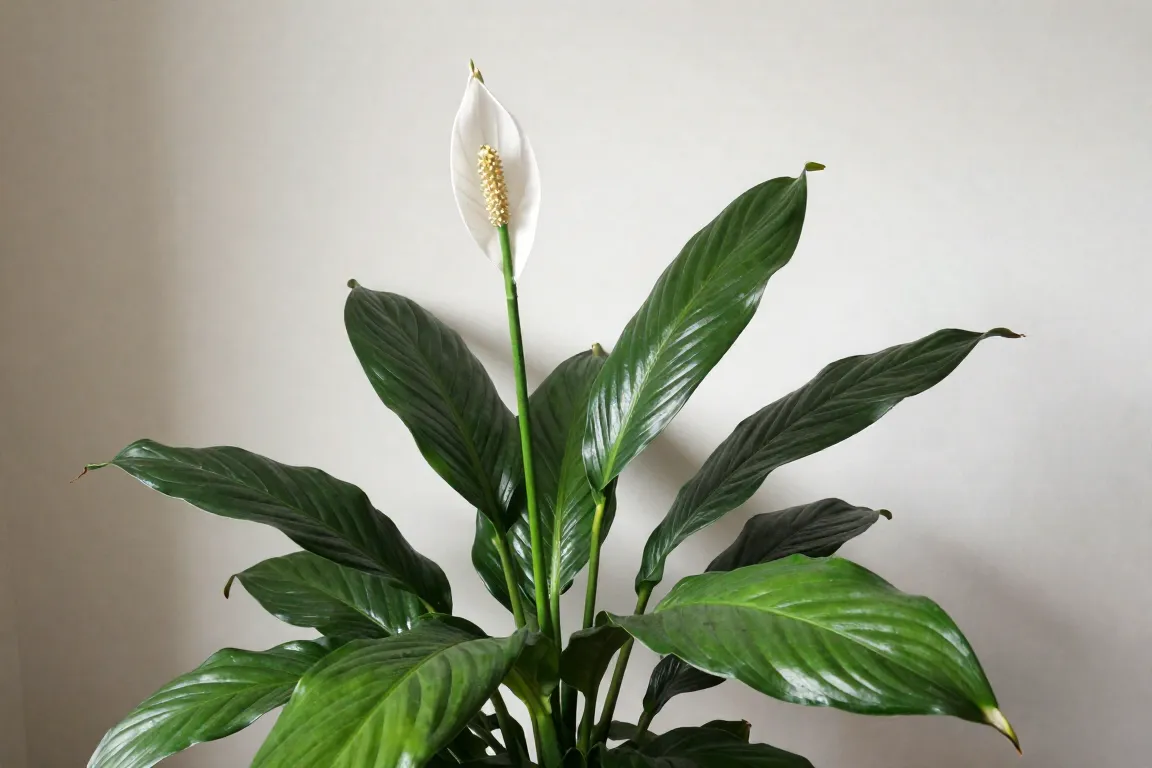
Scientific name: Spathiphyllum spp.
Peace lily is a useful beginner plant for someone who wants both attractive foliage and flowers. One feature beginners often notice is that a thirsty plant can wilt noticeably, then recover after appropriate watering. That visible response can help a new grower learn to pay attention to the plant instead of watering on a strict schedule.
It is not as drought-tolerant as a snake plant or ZZ plant, so beginners should avoid treating it like a succulent. It suits someone who can check the plant and soil regularly.
18. Lucky Bamboo
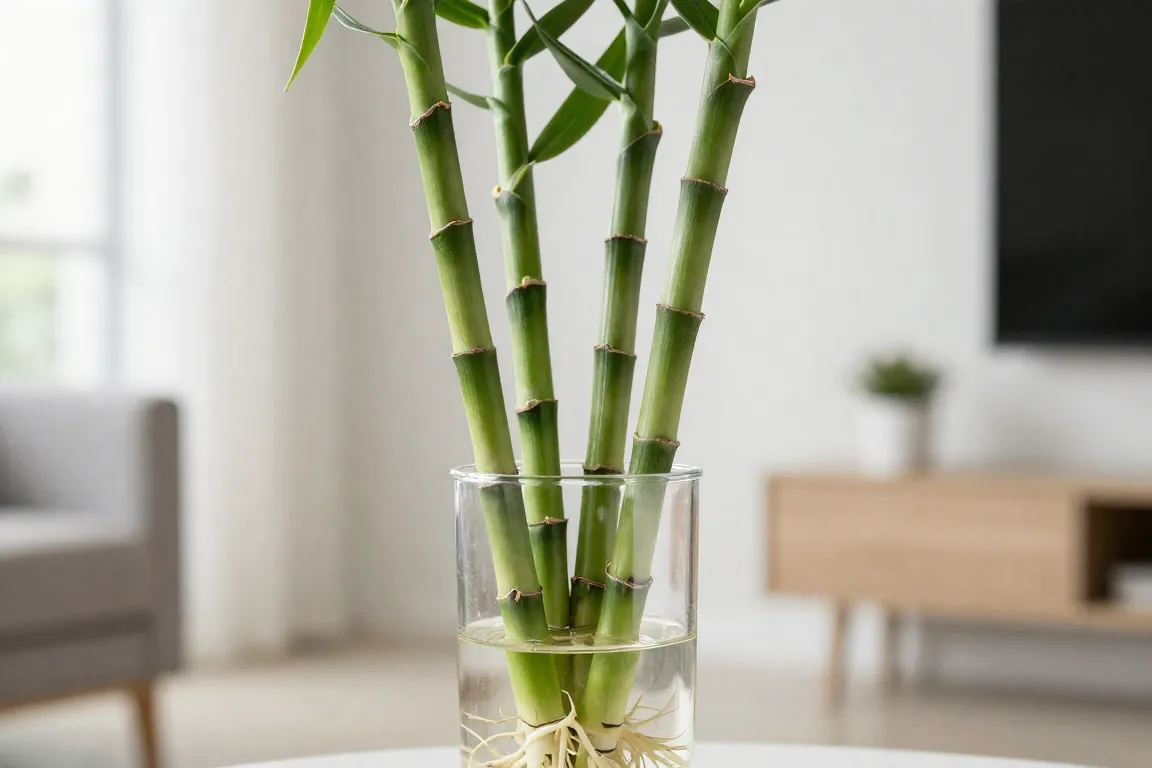
Scientific name: Dracaena sanderiana
Lucky bamboo is popular with beginners because it is compact, visually simple, and often sold already arranged in water or small containers. It can be an approachable first plant for someone who is not ready to start with a large pot of soil.
Its real advantage is simplicity of presentation rather than extremely fast growth. Beginners should still pay attention to water quality, container cleanliness, and available light rather than assuming that growing in water means it needs no care.
19. African Violet
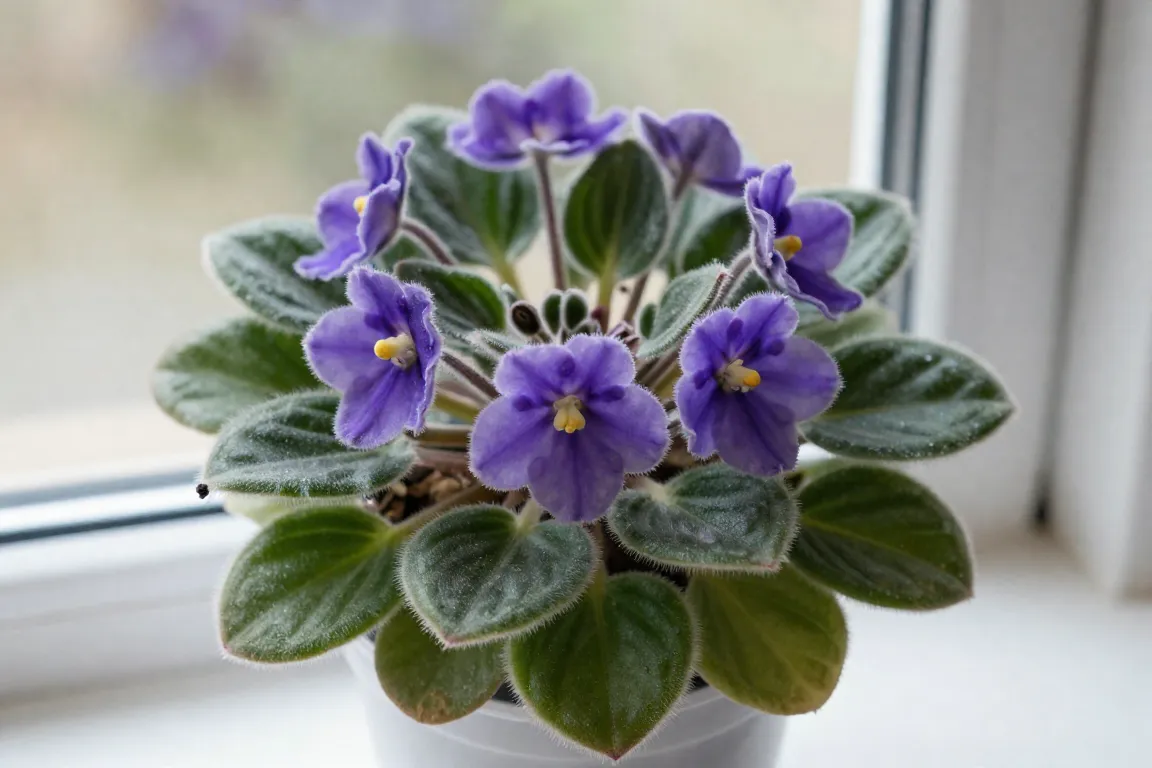
Scientific name: Streptocarpus ionanthus
African violet is a good beginner choice for someone who wants a compact flowering plant. It stays relatively small, produces attractive flowers indoors under suitable conditions, and gives beginners a chance to learn a different propagation method.
Unlike pothos, which is commonly propagated from stem cuttings, African violet can be propagated from leaves. Iowa State includes African violet among its easy-to-propagate houseplants.
20. Christmas Cactus
Scientific name: Schlumbergera × buckleyi
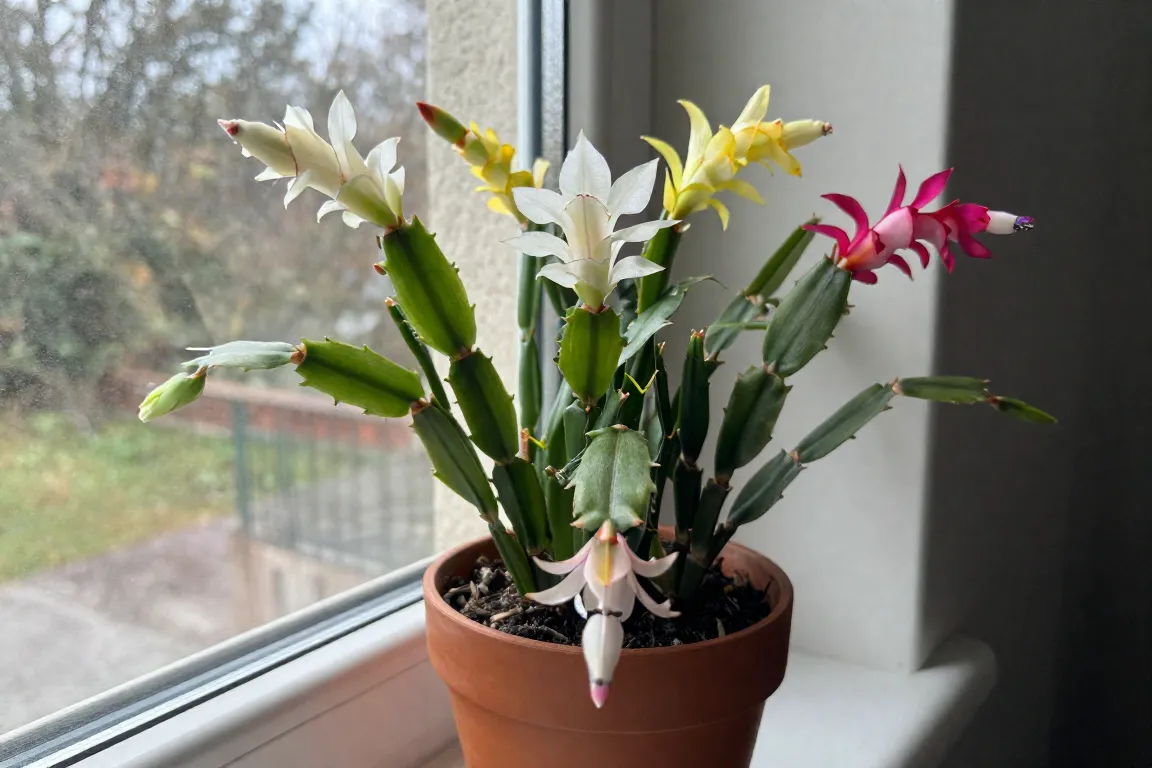
The Christmas cactus is a strong choice for beginners who want a flowering houseplant that differs from the usual foliage plants. Its flattened, jointed stems are distinctive, and it can live for many years with proper care.
Propagation is straightforward: you can root sections with several stem segments to make new plants. Iowa State describes Christmas cactus as easy to propagate from stem sections.
Which Beginner Houseplant Should You Choose?
The “best” plant depends on your home and your habits. Start with the trait that matters most to you.
| Your Situation | Good Choices |
| I forget to water | Snake Plant, ZZ Plant, Jade Plant, Aloe Vera |
| I want fast growth | Pothos, Syngonium, Tradescantia, Chinese Money Plant |
| I want easy propagation | Pothos, Spider Plant, Philodendron, Tradescantia |
| I have limited space | Peperomia, Pilea, African Violet, Aloe Vera |
| I want a trailing plant | Pothos, Heartleaf Philodendron, Tradescantia, Hoya |
| I want a larger plant | Rubber Plant, Snake Plant, ZZ Plant |
| I want flowers | Peace Lily, African Violet, Christmas Cactus |
| I want a plant that makes babies | Spider Plant, Pilea, Aloe Vera |
For most first-time plant owners, pothos, snake plant, spider plant, and ZZ plant are the safest places to start because each solves a common beginner problem differently. Pothos is especially strong for easy growth and propagation, while snake plants and ZZ plants suit people who often forget to water.
Beginner Plant Mistakes to Avoid
Even an easy plant can struggle when you ignore its basic needs. The most common mistake is watering on a fixed schedule instead of checking the plant and soil. Light is another major factor: a plant described as “low light tolerant” still needs light to photosynthesize and grow.
Use a pot with drainage, avoid leaving roots sitting in excess water, and give a newly purchased plant time to adjust instead of immediately placing it in harsh direct sunlight. A simple approach check the light, check the soil, then decide what the plant needs is much more useful than following a calendar.