
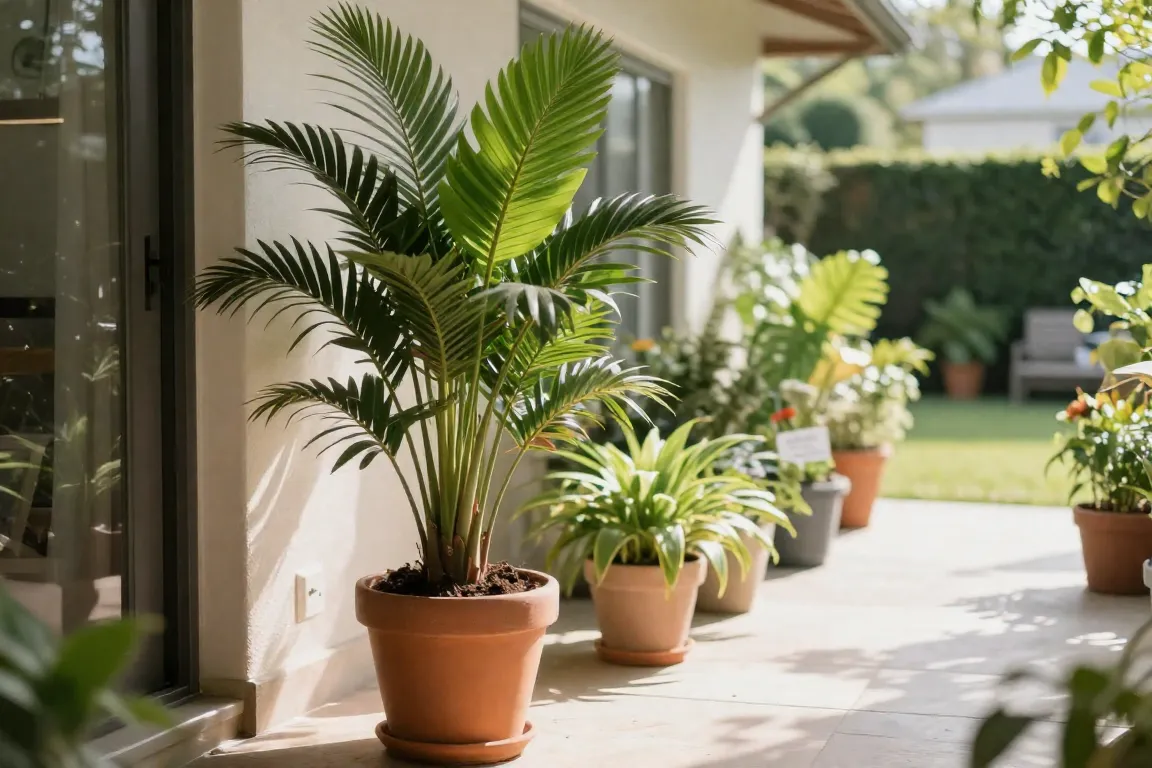
When to Move Indoor Plants Outside: A Safe Houseplant Transition Guide
Your plants may look ready for a sunny porch as soon as spring warms up. But moving plants outside is not just a matter of waiting for a warm afternoon. Cold nights, stronger outdoor light, wind, rain, and sudden humidity shifts can turn a promising outdoor move into leaf damage. So the question arises when to move indoor plants outside?
A practical starting point for many tender houseplants is to wait until nighttime temperatures are consistently around 50°F (10°C) or warmer, with frost danger past. Then move them outdoors in shade and gradually increase light. Some plants need warmer conditions.
Treat the move as a process, not a single event.
When is it safe to move indoor Plants outside?
To move houseplant outside a practical baseline for most tropical and tender houseplants is to wait until frost risk has passed and nighttime temperatures are consistently around 50°F (10°C) or higher. More cold-sensitive plants may need warmer nights. Start outdoors in protected shade, then acclimate gradually rather than moving straight into direct sun.
What nighttime temperature is warm enough?
One magic temperature does not work for every houseplant.
Many people use around 50°F (10°C) as a practical threshold for houseplants. Others find that this is more conservative, especially for plants that dislike cool nights. The safest approach is to treat 50°F (10°C) as a starting point, not a universal permission slip.
Species matter, too. Tropical foliage plants can be far less tolerant of cool conditions than plants adapted to dry or seasonally cooler environments. That is why “houseplants that can go outside in summer” is not one fixed category.
Before moving a sensitive plant outdoors, check its species-specific temperature preference.
What if the days are warm but nights are still cold?
This is where many people rush the move outdoors.
Putting indoor plants outside for a day is a useful first step when afternoons are pleasant but overnight conditions are still too cool. Temporary daytime exposure followed by bringing tender plants indoors at night is recommended until nighttime temperatures become reliably warm.
Growers in climates with warm spring afternoons but cool nights typically use protected daytime exposure and move tender plants back indoors overnight because nighttime temperature remains the limiting condition. That approach gives the plant more outdoor light without forcing it to tolerate a cold night too early.
Can all indoor plants go outside?
No.
Many common houseplants can enjoy an outdoor growing period, but they do not all want the same light or temperature. Pothos, philodendrons, snake plants, ferns, and other leafy plants commonly prefer protected shade or part shade. Many cacti and succulents prefer brighter conditions but still need acclimation after growing indoors.
The better question is not “Can this plant go outside?” It is “Can this plant handle my outdoor conditions?”
That shift makes the decision easier.
Use the weather forecast and the plant’s temperature tolerance together. A warm afternoon alone does not mean the move is ready, so treat the forecast and the plant as part of the same decision.
How should you prepare a houseplant before moving it outside?
Before moving plants outdoors, check for pests, confirm the pot drains properly, stabilize top-heavy plants, and choose a sheltered location. Plan for outdoor light, wind, rain, and temperature, rather than treating the move as a single day.
What should you inspect before the move?
Start with the plant itself.
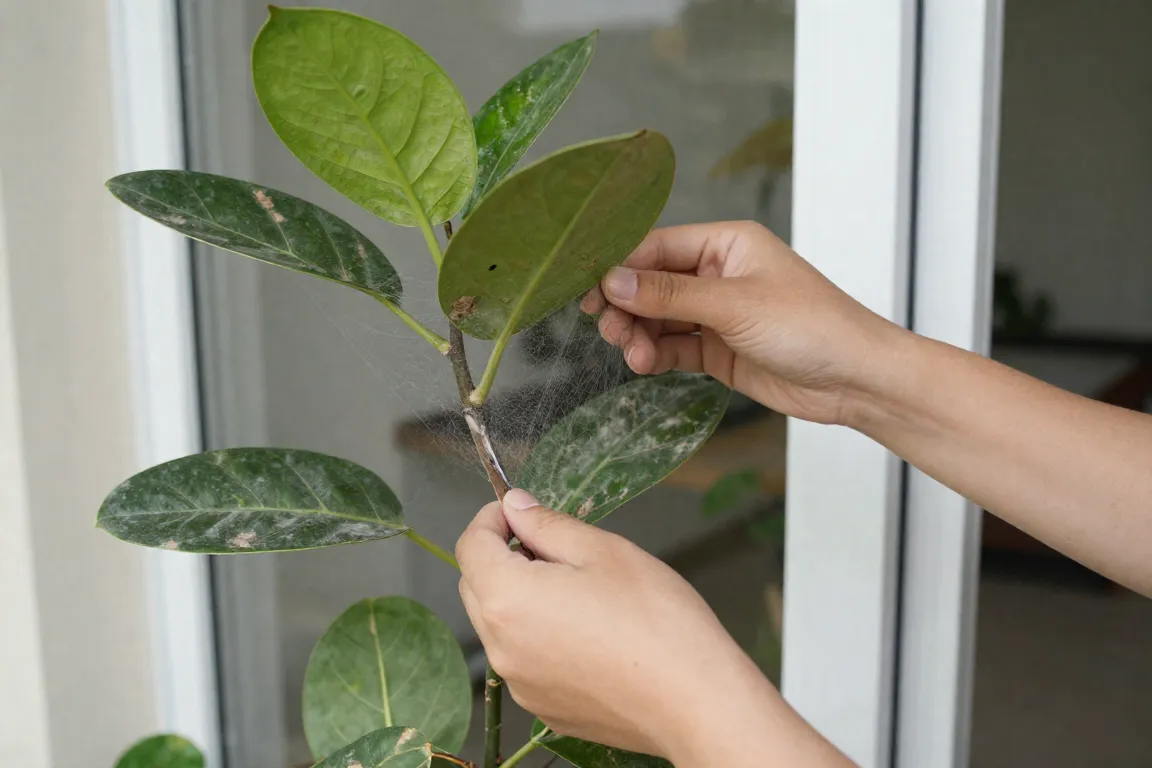
Check both sides of the leaves, leaf joints, stems, the pot rim, and the soil surface. Look for webbing, clustered insects, sticky residue, scale-like bumps, or other signs that something may be living on the plant.
This matters in both directions. Outdoor plants can encounter pests, while plants coming back indoors can bring pests with them.
Do not automatically spray every plant “just in case.” Inspect first. Treat a confirmed problem using a product approved for that plant and follow its label.
Does the pot need drainage before going outside?
Yes. Outdoor rain changes the equation.
Outdoor containers should have drainage so rainfall can leave the root zone instead of collecting around it. Plants in non-draining decorative containers are especially risky outdoors because rain can add water you never intended to give them.
Raise containers slightly where appropriate so excess water can escape, especially on hard surfaces.
Should you repot or prune before moving a plant?
Only when there is a real reason.
Outdoor conditions can drive strong growth, which may make an already root-bound plant dry out quickly or become top-heavy. Repotting is reasonable for plants that need it, but do not move a severely pot-bound plant into an enormous container.
Pruning can make sense for leggy or damaged growth, but avoid combining every possible change in one day. A plant adapting to a new climate, stronger light, and more air movement already has enough to process.
Should you water before taking a plant outside?
Check the soil first.
Do not soak a plant just because it is about to go outdoors. But do not move a severely dry plant straight into stronger light and wind either.
The goal is a properly hydrated root ball, not waterlogged soil. After the move, outdoor conditions will change how quickly the soil dries.
| Plant group | Safer starting location | Main acclimation need | Major outdoor risk |
| Tropical foliage | Deep shade or protected shade | Slow increase in light | Cold and leaf scorch |
| Ferns and shade plants | Shade or dappled light | Protection from direct sun | Dry wind |
| Sun-tolerant foliage | Shade first | Gradual move toward brighter light | Sudden light shock |
| Succulents and cacti | Bright shade | Careful sun acclimation | Sunburn and cold |
| Specialty or flowering plants | Match species needs | Individual adjustment | Wrong temperature or light |
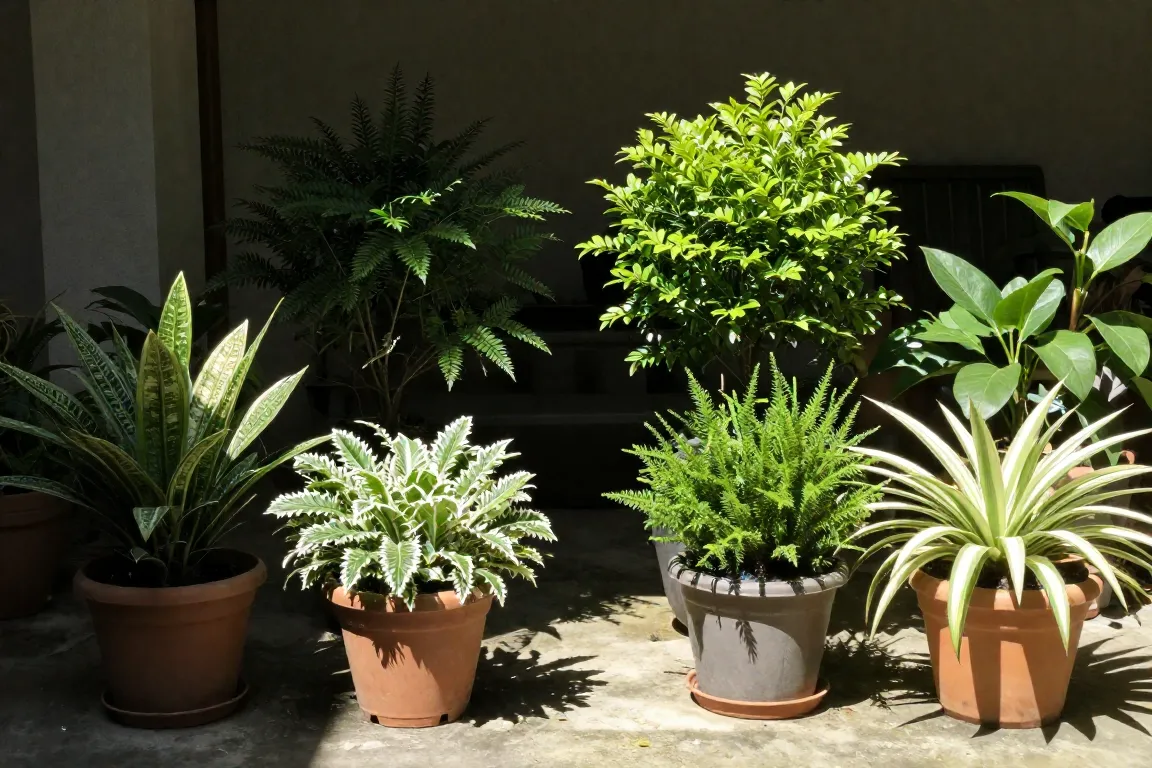
How do you acclimate indoor plants to outdoor light?
Acclimate indoor plants by starting them outdoors in deep shade, then gradually increasing outdoor time and light over about 10 to 14 days. Even sun-tolerant plants can suffer plant sunburn after a sudden move from indoor light, so let leaf response guide each step.
What does a practical hardening-off process look like?
Hardening off indoor plants is controlled exposure. Outdoor light can be dramatically stronger than indoor window light, even when the outdoor location looks shaded to your eyes.
Use this sequence:
- Choose a protected, fully shaded outdoor location.
Don’t start on the brightest part of the patio just because the plant likes light indoors.
- Begin with short outdoor periods while conditions are mild.
This is where putting indoor plants outside for a day can be useful. The first exposure is about adjustment, not maximum growth.
- Increase outdoor time while keeping the plant shaded.
- Gradually introduce dappled or brighter indirect light.
- Add limited direct morning sun only when the foliage is handling the previous stage well.
- Move the plant back toward shade if you see clear signs of excessive light stress.
Increase light over about 10 to 14 days, while other horticultural guidance uses a roughly week-long or longer gradual transition. The exact pace depends on the plant and how different its new environment is from the old one.
How do you know when it is ready for more light?
Watch the leaves, not just the calendar.
Pale, bleached areas, crispy patches, or sudden browning can indicate too much light. A plant that stretches strongly toward brighter light may be telling you the current spot is too dim. These clues matter more than a fixed schedule.
The term plant sunburn sounds simple, but timing matters. A plant adapted to indoor light can be damaged by a jump into intense outdoor light even if it is normally considered a sun-loving species.
That is why even some succulents need acclimation.
Takeaway: The best acclimation schedule is not the fastest one. It is the fastest schedule the foliage can handle without obvious stress.
Where is the best place to put houseplants outside?
Choose an outdoor spot by matching the plant’s light needs while limiting early exposure to direct sun, strong wind, and severe weather. Full shade or part shade is a safer starting point for many houseplants. Once acclimated, sun-tolerant plants can move toward brighter conditions suited to their species.
Where should shade-loving houseplants go?
Think forest floor, not open field.
Pothos, philodendrons, snake plants, ferns, Calathea, Maranta, and similar leafy houseplants commonly do better in protected shade or dappled light. Many are adapted to understory conditions rather than hours of exposed outdoor sun.
A covered porch, shaded patio, sheltered deck, or protected spot near a wall can work well.
What about succulents and sun-tolerant houseplants?
A plant that prefers bright indoor light is not automatically ready for full outdoor sun.
Outdoor light is far more intense than indoor light. Start in bright shade and gradually increase exposure. Desert cacti and many succulents may eventually want much more direct sun, but skipping acclimation can still lead to scorch.
What should you do on a balcony or windy patio?
Wind deserves more attention than it gets.
Strong airflow can dry foliage and soil faster. Tall or top-heavy pots can tip, while large leaves can be damaged by repeated wind movement. Choose a sheltered position and use a stable container when possible.
Reflected heat matters too. A plant beside a hot wall or on a dark hard surface may experience a harsher microclimate than a plant only a short distance away.
That is why “outside plants” don’t all experience the same conditions.
Takeaway: Pick the microclimate, not just the location. A shady balcony corner can be safer than a sunny garden bed only a few steps away.
How should watering and fertilizing change when plants move outside?
Expect watering needs to change outdoors because heat, stronger light, wind, humidity, pot size, and rainfall alter how quickly soil dries. Check the mix rather than following an indoor schedule, let excess rain drain freely, and adjust fertilizing to active growth and the fertilizer label.
Will plants need more water outside?
Often, yes. But not on a fixed schedule.
Outdoor air movement can increase water loss, while stronger light and warmer conditions can speed drying. Rain can do the opposite. A pot that needed infrequent watering indoors may dry much faster outside, while a rainy week can leave the soil wet for much longer.
Check the soil instead of copying your indoor routine.
That change is one of the biggest practical differences between keeping plants inside and keeping them outside.
What should you do after rain?
Rain does not automatically mean the plant is watered correctly.
Check the soil and the drainage path. A container with good drainage can handle rainfall much better than a pot where water collects around the roots. Succulents and cacti may need protection from repeated heavy rainfall because excess moisture can contribute to rot.
Should you fertilize more often outside?
Outdoor growth can become much more vigorous when conditions are favorable.
Use the plant’s growth stage and the fertilizer label as your guide. Don’t pile on fertilizer just because the plant is growing faster. If the plant has recently moved outside and is still adjusting, steady conditions matter more than forcing rapid growth.
Takeaway: Outdoor watering is condition-based. Check the soil, watch the weather, and let the plant’s actual growing environment set the routine.
Can houseplants stay outside overnight, in rain, or during bad weather?
Do not use a single calendar date to decide whether a houseplant can stay outside overnight. Watch nighttime temperatures and the forecast, and account for wind, heat, and storms. Many people use roughly 50°F (10°C) as a practical baseline, with sensitive plants needing warmer conditions.
Can I leave my indoor plants outside overnight?
Only when conditions suit that particular plant.
Around 50°F (10°C) is a practical point used for many tender houseplants, while some people recommend warmer conditions for sensitive species. For longer-term outdoor placement, people experiances can be more conservative.
That means a plant may spend pleasant afternoons outside while still coming indoors overnight.
Can indoor plants stay outside when it rains?
Light rain is not automatically a problem.
The bigger questions are whether the plant has adequate drainage, whether the rain is prolonged or heavy, and whether the accompanying wind creates a risk. Cacti and succulents deserve extra caution because repeated wet conditions can be harder on them than on many leafy tropical plants.
What should you do during strong wind or extreme heat?
Move vulnerable plants into a sheltered position.
Use shade during periods of excessive heat, protect top-heavy containers from tipping, and check soil moisture more often when hot, dry air is moving quickly across the leaves.
The outdoor transition does not end when the plant reaches its final spot. Weather can still change the conditions overnight.
Takeaway: A forecast is part of plant care. When the weather changes sharply, the safest response is often to move the plant temporarily.
When should you bring houseplants back indoors?
Bring most houseplants back indoors before cold nights return, using a conservative temperature threshold and the plant’s tolerance. Inspect leaves, stems, pot rims, and soil for pests, clean the plant, and reintroduce it to indoor light and watering conditions gradually to reduce transition stress.
What temperature means it is time to bring plants inside?
A practical trigger for many houseplants is when nighttime temperatures consistently fall around 50°F (10°C). More cold-sensitive plants should come inside earlier. Don’t wait for a frost warning to decide what to do with tender tropical plants.
This reverse move is just as important as the spring one.
How do you inspect plants for pests before bringing them inside?
Check the entire plant carefully.
Inspect leaf surfaces and undersides, stems, joints, pot rims, and the soil surface. Common hitchhikers include aphids, spider mites, mealybugs, scale, whiteflies, and fungus gnats.
A thorough rinse outdoors can remove dust and may help knock down some pests before the plant comes back inside. Let the foliage dry before moving the container indoors. If a plant has a serious infestation, bringing it next to healthy houseplants can spread the problem.
For any pesticide or insecticide, use a product specifically approved for the intended plant and follow the label.
Do plants need to be re-acclimated indoors?
Yes, the environment changes again.
A plant that spent months in bright outdoor conditions suddenly receives much less light indoors. Some plants respond by dropping leaves during this change. Ficus benjamina and tropical hibiscus are examples of plants that react this way.
Move the plant to an appropriate indoor light level rather than assuming it can return to the exact spot it occupied before summer.
Watering should change too. As light, temperature, humidity, and growth rate shift, water demand shifts with them.
Takeaway: Moving plants from inside to outside is only half the cycle. The return trip needs its own inspection, temperature check, and light adjustment.