
10 Best Air Purifying Plants: What the Science Actually Shows
You want cleaner indoor air, and adding a few houseplants sounds like a simple solution. But which of the 10 best air purifying plants have been studied, and can they make a meaningful difference in your home?
People asking for air purifying plants indoor usually want a simple way to improve their home’s environment. But a plant’s ability to remove pollutants in a sealed laboratory chamber doesn’t prove it can clean the air in a lived-in room.
The popular 1989 NASA Clean Air Study is often cited to promote houseplants as natural air purifiers. Some science supports that claim, but the results need context. Plants removed certain volatile organic compounds (VOCs) in controlled laboratory chambers. That does not mean a few pots can clean the air in an ordinary living room.
The distinction matters. This guide examines the pollutants studied, the plants included in the research, their household suitability, and the practical steps that matter more for indoor air quality.
Do air-purifying plants really clean the air in a home?
Indoor plants can remove certain VOCs in controlled, sealed laboratory chambers, but that result does not establish meaningful air cleaning in ordinary homes. Later analysis translated the chamber results into clean-air delivery rates and found that impractically large numbers of plants would be needed.
What did the original research actually investigate?
Lists of plants that clean the air often trace their claims to the widely discussed 1989 study, which examined whether indoor plants and their associated growing systems could reduce chemicals in enclosed environments.
Researchers tested three pollutants:
- Formaldehyde: Found in some building materials, pressed-wood products, and household products.
- Benzene: An industrial chemical associated with certain fuels, solvents, and other sources.
- Trichloroethylene (TCE): An industrial solvent historically used in applications such as metal degreasing.
These chemicals belong to the wider category of VOCs, carbon-containing compounds that can enter indoor air through products, materials, and everyday activities.
The experiments used sealed Plexiglas chambers. Researchers exposed plants to specific pollutants and measured changes over controlled periods. Some experiments used concentrations considerably higher than those commonly encountered indoors. Others investigated lower concentrations.
That is useful research. But a sealed chamber and a ventilated home are very different environments.
Why don’t the results translate directly to your living room? Controlled-chamber findings don’t map neatly onto everyday home conditions.
A later review published in 2020 examined 12 studies involving potted plants and VOC removal.
The researchers converted 196 experimental results into clean-air delivery rates (CADR). The median CADR of an individual potted plant was just 0.023 m³/hour.
Their analysis estimated that approximately 10- 1,000 plants per square meter of building floor space would be needed to match the VOC removal already provided by typical outdoor-to-indoor air exchange.
That changes how you should interpret the popular plant lists.
The assumption that NASA proved ordinary houseplants can purify your home is wrong. The experiments showed pollutant removal under specific conditions, not meaningful air cleaning from a handful of decorative plants.
There is another detail worth understanding. The research examined leaves, roots, soil, and associated microorganisms. The root zone matters because microorganisms around roots can help break down certain compounds. The process is not simply a leaf absorbing everything floating around your room.
That is why experimental plant biofiltration systems differ from placing a houseplant on a shelf.
Takeaway: Houseplants can remove some pollutants, but they are not a practical replacement for ventilation or air filtration.
Which pollutants did the research actually test each plant against?
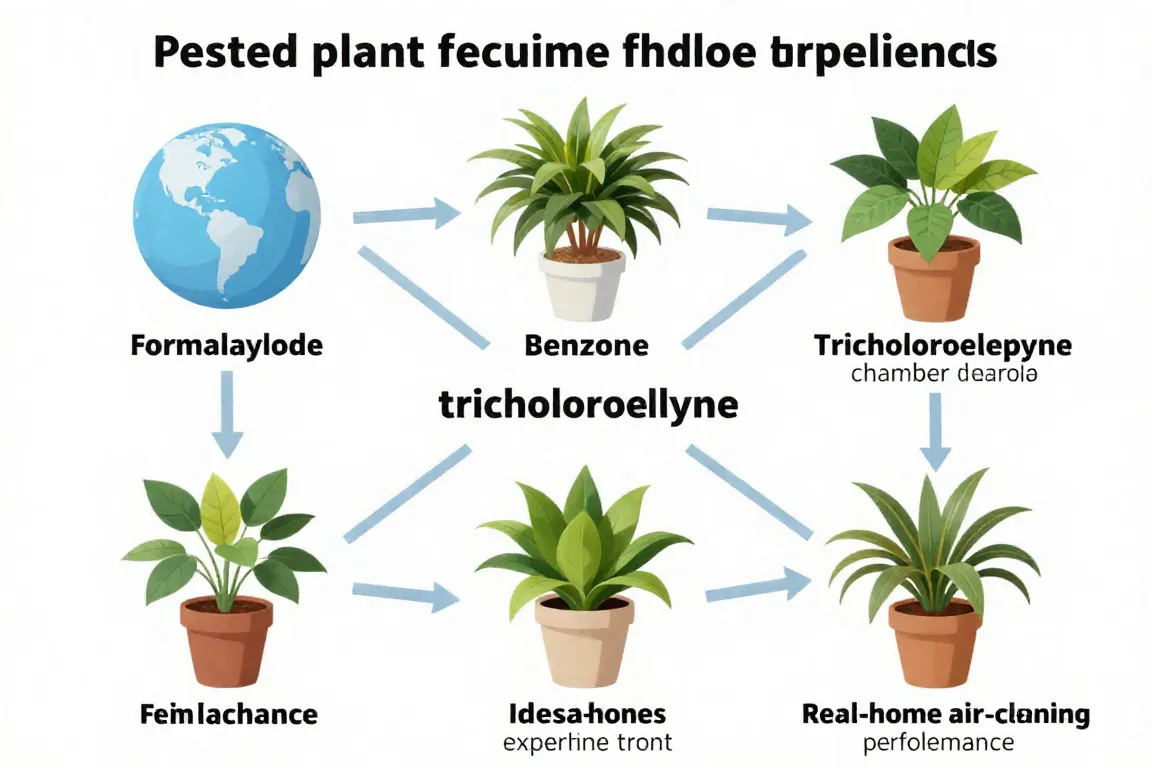
Classic indoor-plant experiments focused on a small group of volatile organic compounds, especially formaldehyde, benzene, and trichloroethylene (TCE). The table identifies which species were included in those tests, but it does not rank their effectiveness or predict the air quality of a lived-in room.
Comparison of six researched plants
| Plant | Formaldehyde | Benzene | TCE |
| Golden pothos | Tested | Tested | Tested |
| Peace lily | Tested | Tested | Tested |
| English ivy | Tested | Tested | Tested |
| Snake plant | Tested | Tested | Tested |
| Bamboo palm | Tested | Tested | Tested |
| Dracaena marginata | Tested | Tested | Tested |
Tests used different concentrations and experimental conditions. Golden pothos, for example, appeared in the formaldehyde screening and the later lower-concentration benzene and TCE experiments. A matching entry does not mean all results are directly comparable.
What makes these pollutants different?
Formaldehyde can enter indoor air from certain pressed-wood products, furnishings and household products. Its presence depends on the materials and products used in a particular home.
Benzene can come from sources such as fuel emissions, tobacco smoke, and certain solvents. Identifying and controlling the source matters more than adding decorative plants.
Trichloroethylene (TCE) is an industrial solvent associated with particular commercial and industrial uses. It is not interchangeable with formaldehyde or benzene simply because all three were studied in plant experiments.
The label air filtering plants can be misleading: a plant’s ability to interact with one VOC does not prove that it removes every indoor pollutant.
Which 10 houseplants appear in air-pollutant research?
These ten plants appear because published chamber research measured at least one of the named compounds in their studied specimens. They are not ordered from strongest to weakest, and you can’t read them as a home-air leaderboard.
Use these profiles to compare the best air purifying indoor plants by the species studied, the pollutants tested and the limitations of the available evidence, rather than by an unsupported overall performance ranking.
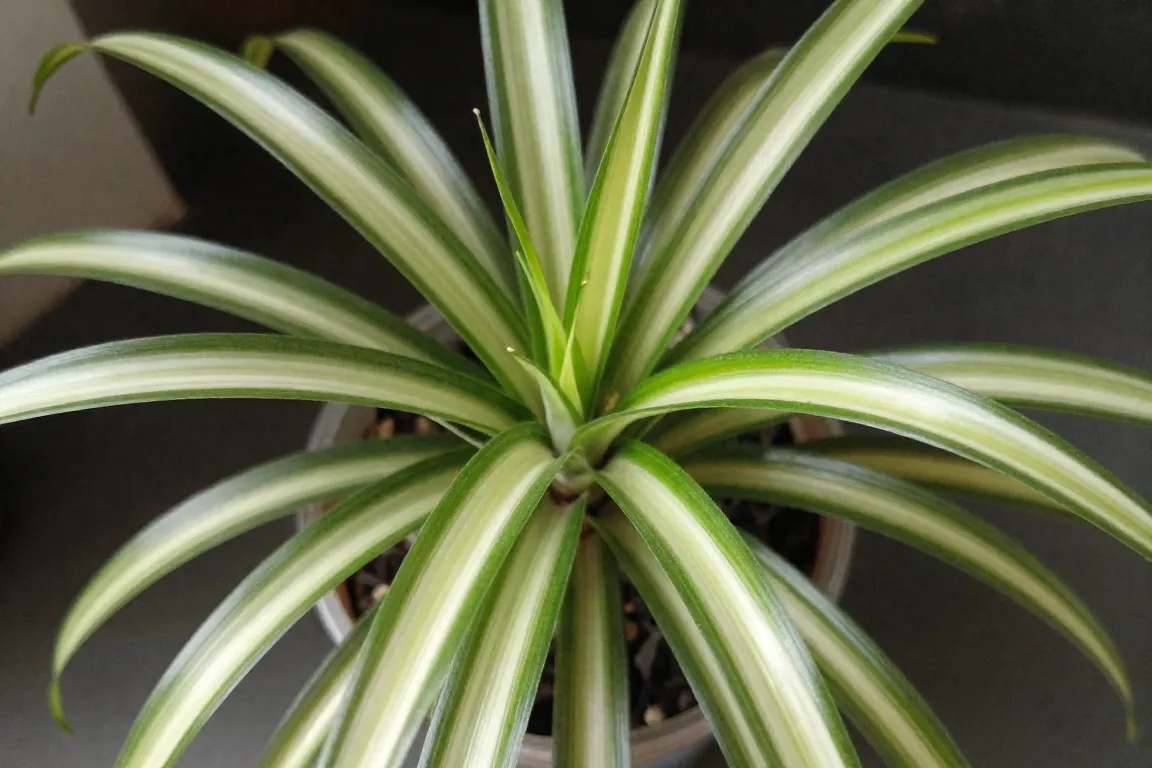
1. Spider Plant (Chlorophytum comosum)
The 1989 research included a plant identified as green spider plant, Chlorophytum elatum, in its formaldehyde experiment. This creates a botanical naming complication. That name does not exactly match the commonly sold spider plant, Chlorophytum comosum, so the research should not be presented as proof for every commercial spider plant.
Spider plants are popular because of their arching leaves and distinctive appearance. ASPCA lists C. comosum as non-toxic to cats and dogs, but that classification should not automatically apply to a differently identified species.
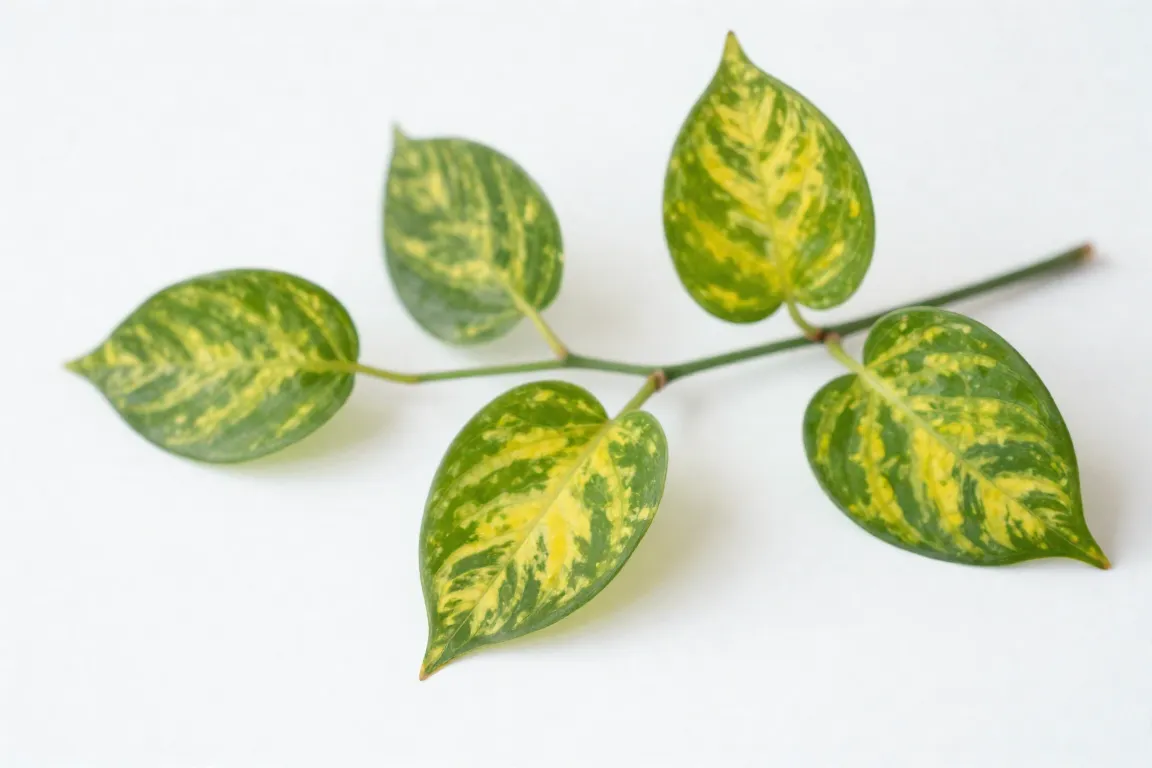
2. Golden Pothos (Epipremnum aureum)
Golden pothos appeared in formaldehyde testing and lower-concentration benzene and TCE experiments. The original report used the older name Scindapsus aureus, now treated as a synonym of Epipremnum aureum.
Its trailing growth makes it a popular indoor decorative plant. However, pothos is toxic to cats and dogs. Its calcium oxalate crystals can cause oral irritation, drooling, and vomiting if chewed.
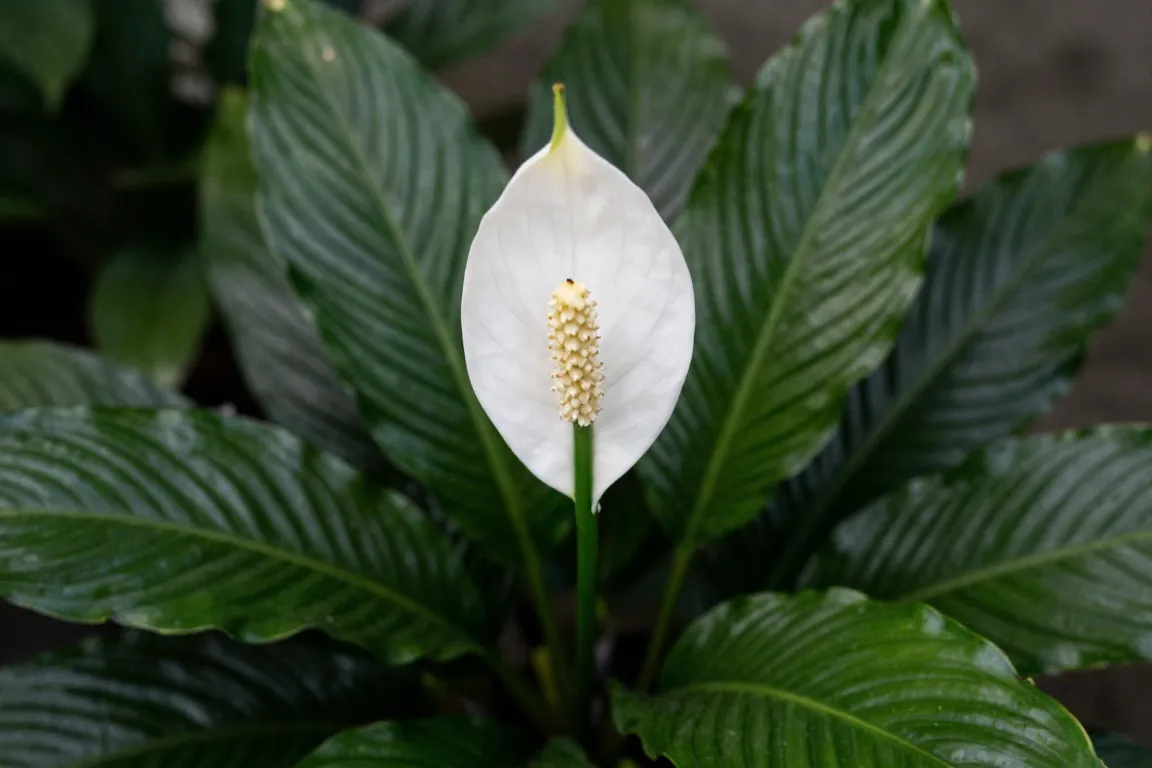
3. Peace Lily (Spathiphyllum spp.)
The peace lily was included in formaldehyde, benzene, and TCE chamber experiments. The studied specimen was identified as Spathiphyllum ‘Mauna Loa’. These results support pollutant uptake under the tested conditions, not a claim that a peace lily will purify an entire bedroom.
Its attractive white flowers and broad green leaves make it a common indoor choice. But peace lilies are toxic to cats and dogs because of insoluble calcium oxalates.
4. English Ivy (Hedera helix)
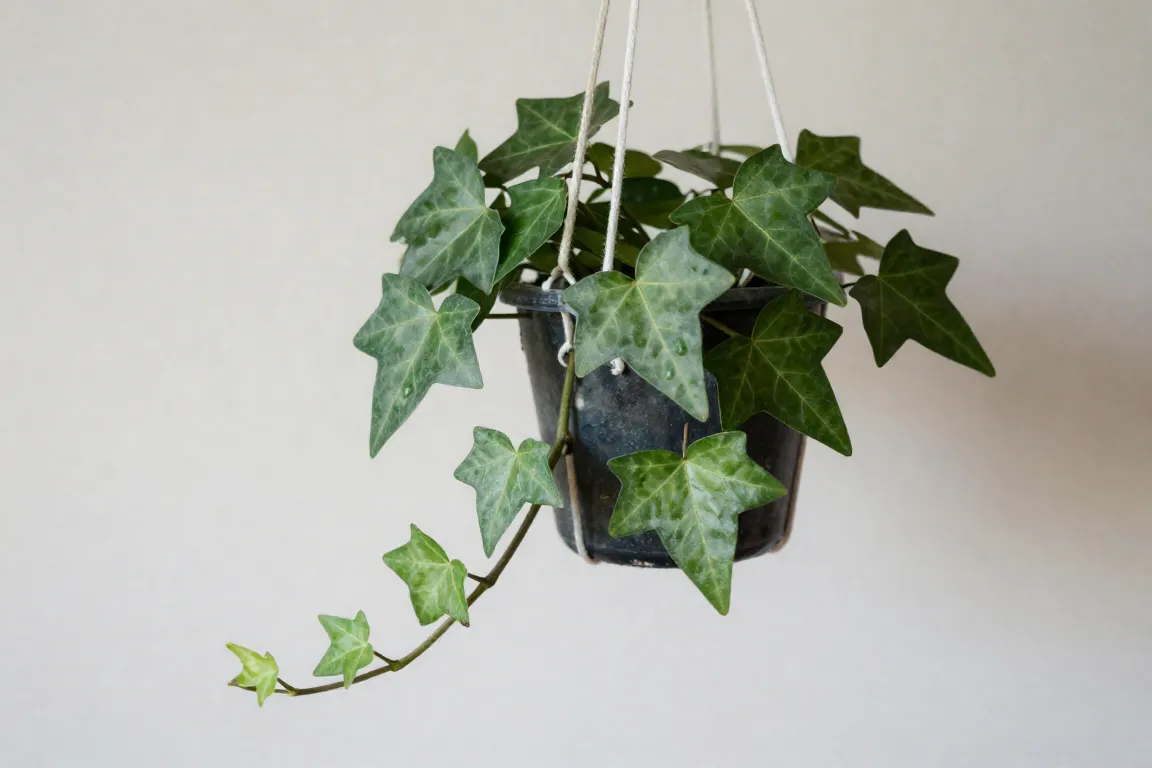
English ivy was examined in formaldehyde, benzene, and TCE experiments. It also appeared in lower-concentration benzene and TCE testing. The results make it one of the more extensively represented plants in this particular research series.
Its trailing foliage works well in hanging containers. However, English ivy is toxic to cats and dogs. Ingestion can cause vomiting, abdominal pain, and excessive salivation.
5. Snake Plant (Dracaena trifasciata)
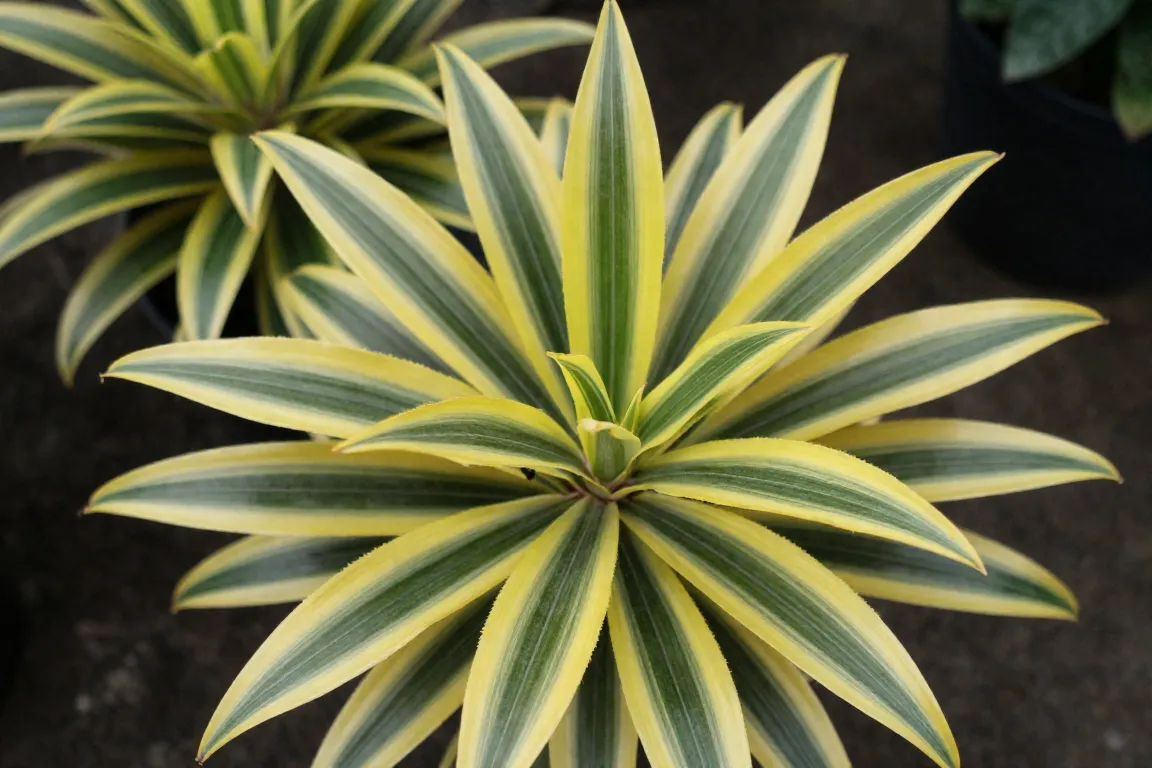
The original research identified this plant as Sansevieria laurentii, a botanical name now treated as a synonym of Dracaena trifasciata. It appeared in formaldehyde, benzene, and TCE tests, including lower-concentration benzene and TCE experiments.
Its upright leaves make it suitable for smaller spaces. The plant is often described as an oxygen-producing plant, but that doesn’t mean one or two pots will meaningfully change bedroom oxygen levels.
Snake plants are toxic to cats and dogs if eaten.
6. Bamboo Palm (Chamaedorea seifrizii)
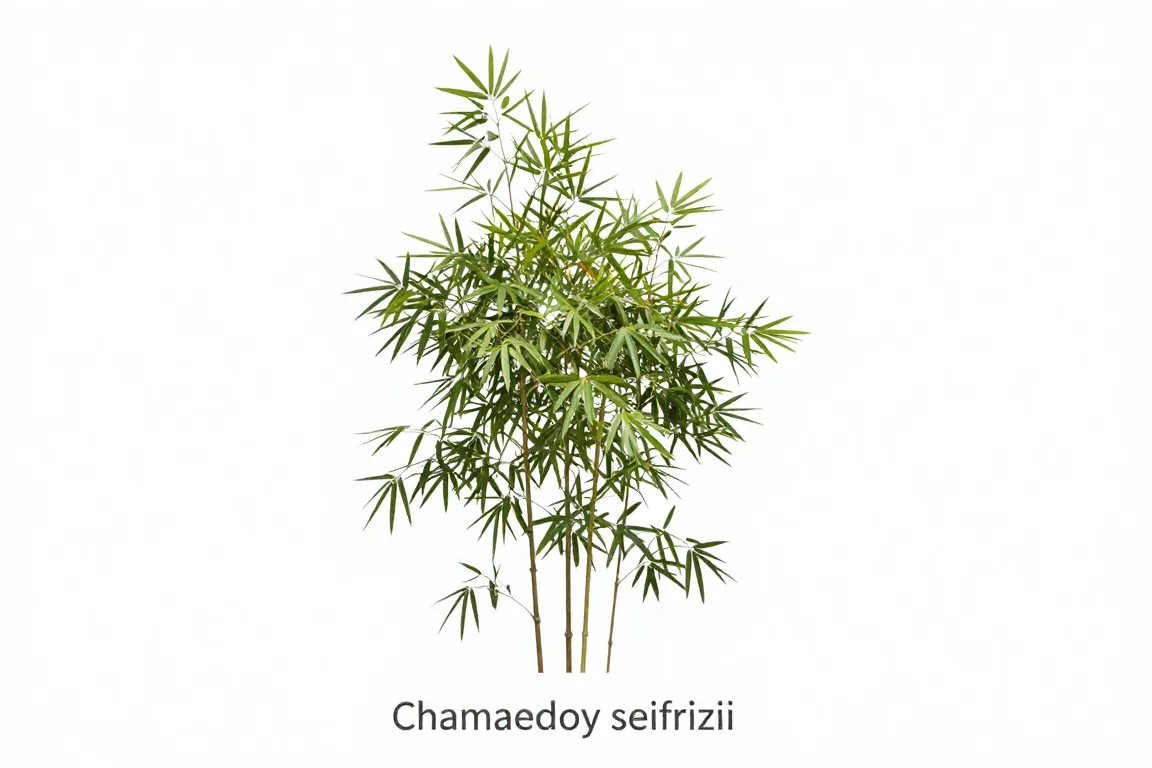
Bamboo palm appeared in the formaldehyde, benzene, and TCE experiments. Its results came from the original sealed-chamber screening rather than the later lower-concentration follow-up experiments.
One important pet-safety distinction: the commonly referenced ASPCA bamboo-palm entry identifies Chamaedorea elegans, not the C. seifrizii named in the study. Do not automatically apply one species’ toxicity classification to the other.
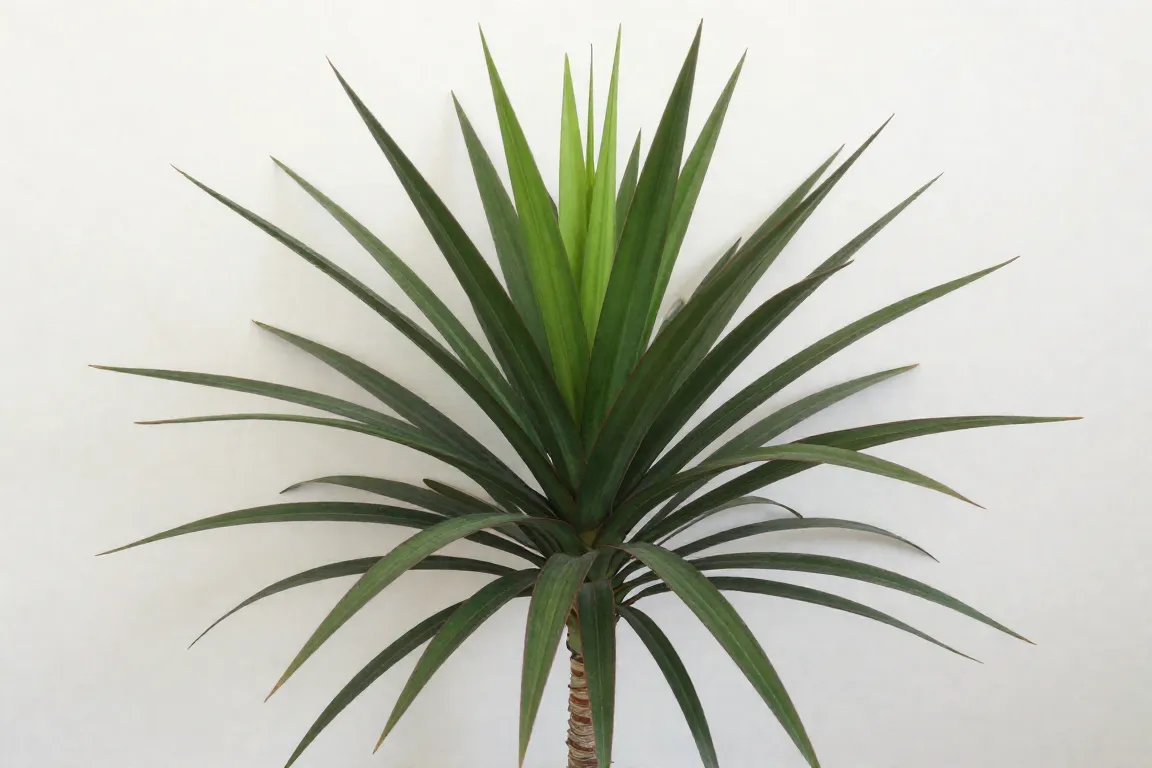
7. Dracaena Marginata (Dracaena marginata)
Dracaena marginata appeared in formaldehyde, benzene, and TCE tests, as well as the lower-concentration benzene and TCE experiments. Its botanical name is particularly useful when tracing the older research because the report uses the name Marginata.
Its narrow, arching leaves and upright growth make it a familiar decorative indoor tree. However, it is toxic to cats and dogs. Reported signs of ingestion include vomiting, drooling, and weakness.
8. Gerbera Daisy (Gerbera jamesonii)
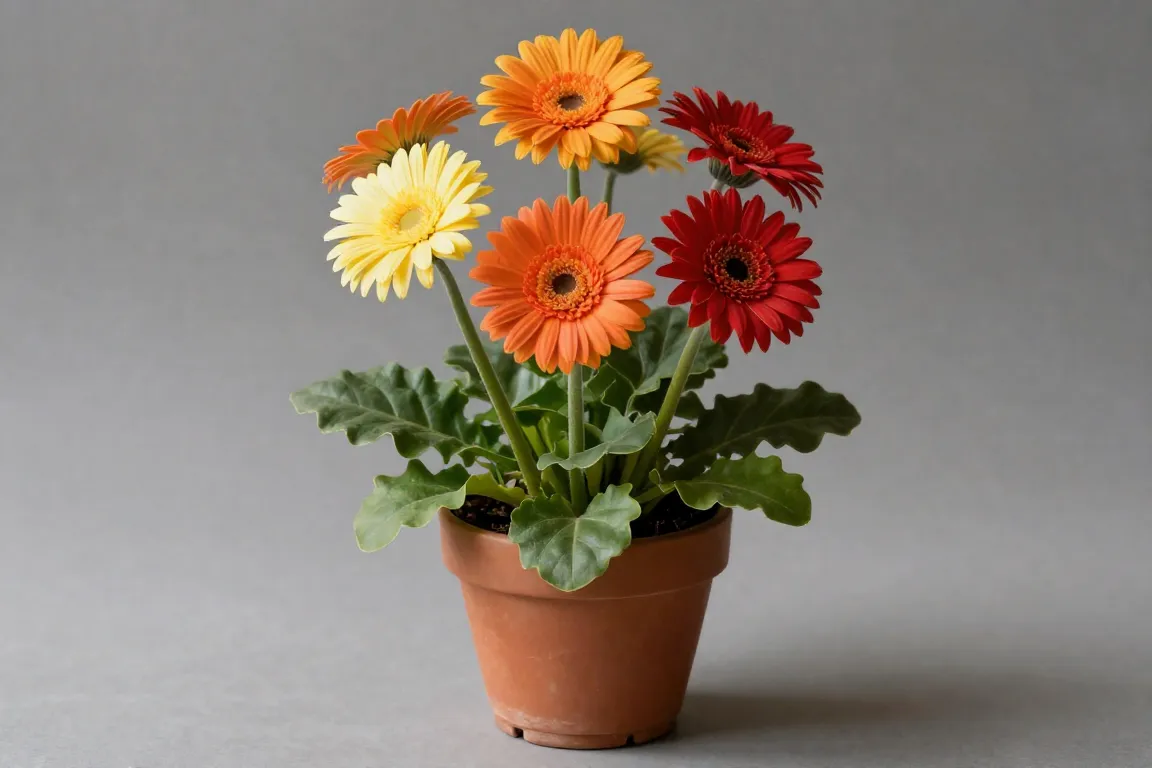
Gerbera daisy was included in benzene and TCE screening. The combined high-concentration results also recorded formaldehyde removal. This makes it a useful example of why you must keep individual experiments and their different conditions separate when discussing plant performance.
Gerbera daisy adds color to an indoor space and has a useful pet-safety distinction. It is listed as non-toxic to cats and dogs, although that does not mean eating plant material is advisable.
9. Pot Mum (Chrysanthemum morifolium)
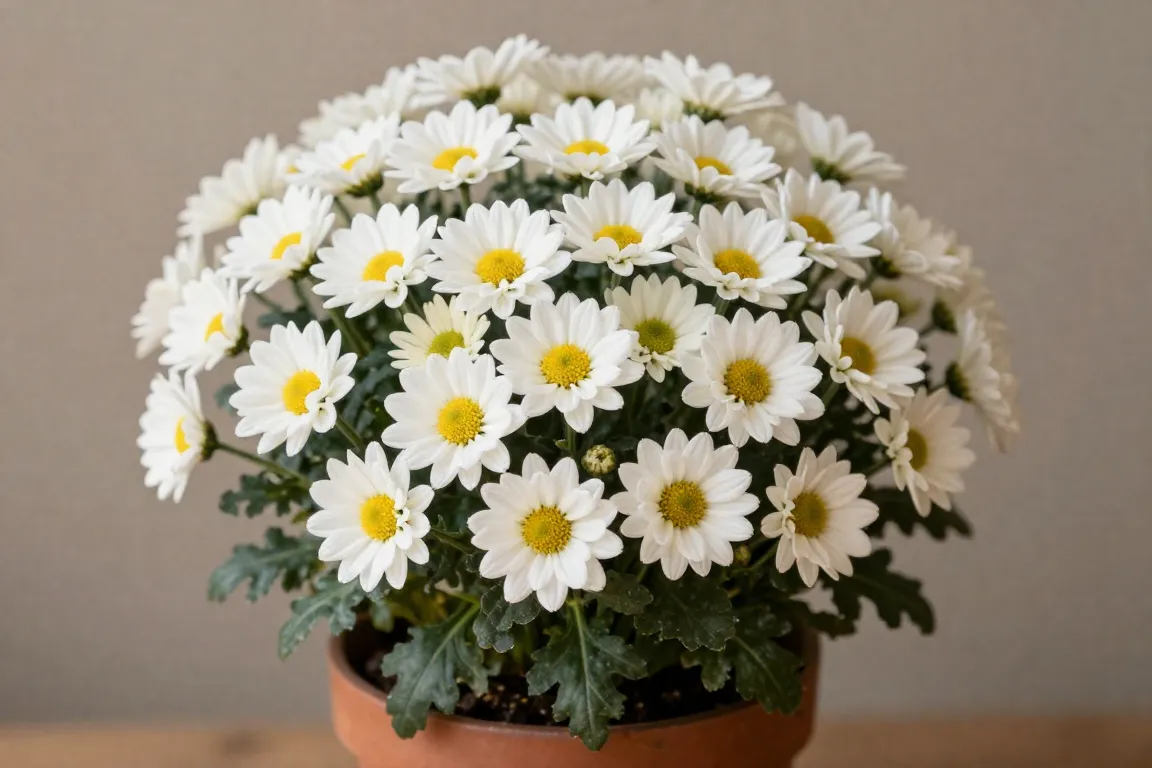
Pot mum appeared in the research’s benzene testing and the combined high-concentration experiment covering formaldehyde, benzene, and TCE. These findings relate to controlled chambers, not ordinary indoor room conditions.
Its flowering appearance makes it an attractive decorative plant. But chrysanthemums are toxic to cats and dogs and can cause vomiting, diarrhea, and other signs of gastrointestinal irritation.
10. Weeping Fig (Ficus benjamina)
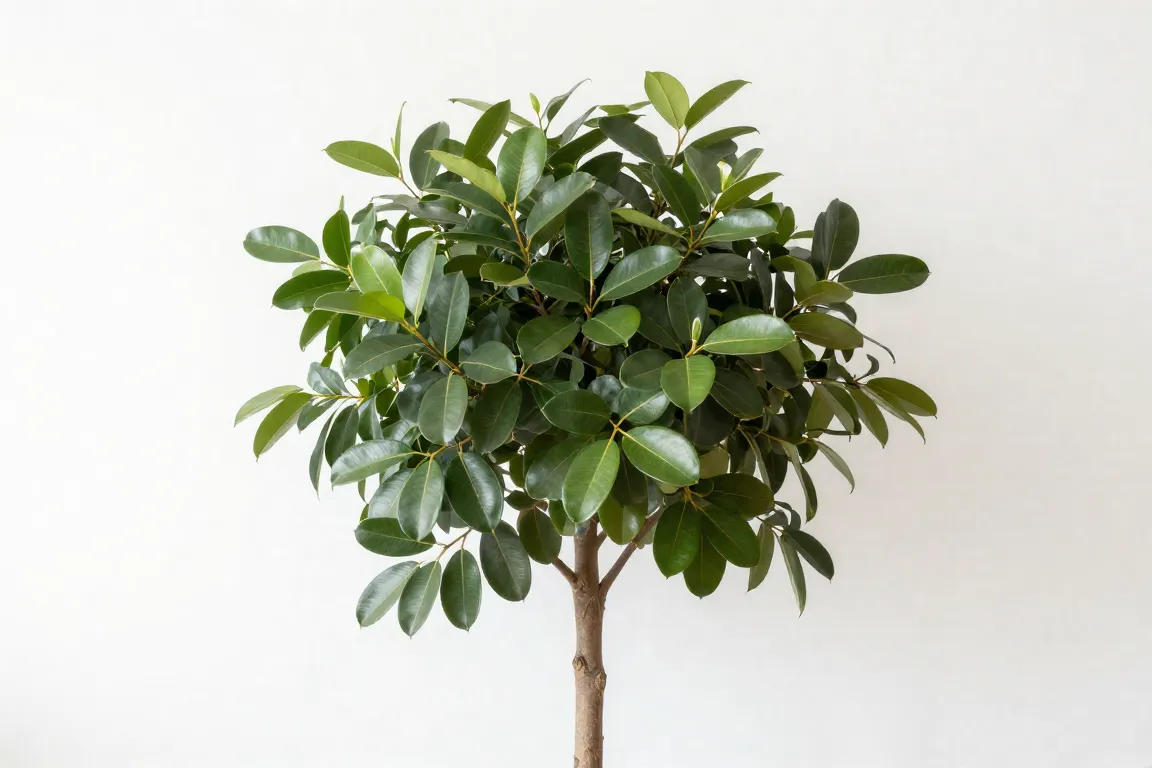
The weeping fig appeared in the combined high-concentration test involving formaldehyde, benzene, and TCE. Plant screening identified it as Ficus benjamina. However, its results should not be used to claim that a decorative indoor fig measurably improves household air quality.
Its dense foliage and tree-like growth make it a striking indoor feature. Yet the weeping fig is toxic to cats and dogs and can cause gastrointestinal and skin irritation.
Pet safety reminder: If a pet or person eats a potentially toxic plant, contact a veterinarian or an appropriate local poison-information service promptly. Do not wait for symptoms to appear.
How do you choose an air purifying plant that fits your home and pets?
Choose a plant first for the light, space, watering routine, and pet access it can realistically tolerate. A laboratory pollutant result isn’t a reason to keep a toxic plant within an animal’s reach, and non-toxic doesn’t mean edible or risk-free.
Match the plant to your available light.
Start by observing the actual light reaching the location where you plan to put the plant.
Bright indirect light, medium light, and low light describe different growing conditions. A plant that tolerates lower light may survive away from a window, but that does not mean it will thrive in a dark room.
Avoid choosing plants purely because a list describes them as suitable for bedrooms or low-light spaces.
Check pet safety before bringing a plant home.
From this list, the Gerbera daisy and the commonly sold spider plant (Chlorophytum comosum) are non-toxic for cats and dogs. However, remember the botanical-naming caveat about the green spider plant in the original research.
Golden pothos, peace lily, English ivy, snake plant, Dracaena marginata, chrysanthemum, and weeping fig have toxicity warnings.
Bamboo palm requires exact species identification before applying a safety classification.
Choose maintenance requirements over purification claims.
Searching for low maintenance indoor plants for clean air is understandable, but maintenance and air-cleaning performance are separate questions.
Choose plants based on how much care you can provide. Consider how much natural light is available, how often you can check the soil, and whether the plant’s eventual size suits the room.
Bedroom choices need the same practical checks as other indoor plants. If you’re searching for plants to keep in bedroom, consider the available light, your ability to maintain the plant and whether pets can reach its leaves.
Takeaway: The most suitable plant fits your home and can be maintained safely. Its laboratory research is a separate consideration.
What improves indoor air more reliably than adding houseplants?
Treat houseplants as decorative companions, not the primary way to control indoor pollution. Source control and adequate ventilation matter more, while suitable filtration can provide additional support. Overly damp potting soil can encourage microorganisms that may affect sensitive occupants.
Reduce pollution at its source.
Source control means identifying what releases unwanted substances into your indoor air and reducing or removing it.
Examples include:
- Avoiding indoor smoking.
- Choosing lower-emission building materials and furnishings where possible.
- Storing household products correctly.
- Using products that release fumes as directed.
- Maintaining fuel-burning appliances properly.
Removing or reducing the source is usually more useful than trying to remove pollutants after they have entered the room.
Improve ventilation when outdoor conditions allow
Fresh outdoor air can help dilute indoor pollutants.
Opening windows and doors can help when outdoor air is suitable. Kitchen and bathroom exhaust fans that discharge outdoors can remove moisture and pollutants generated during everyday activities.
However, outdoor pollution, dust, and extreme weather can change whether opening windows is appropriate.
Use suitable air filtration.
Air purifiers can help, but you need to match the filter to the pollutant.
- HEPA filtration: Designed primarily to capture airborne particles such as dust, pollen, and other fine particles.
- Activated carbon filtration: Can help remove certain gases and VOCs when the filter contains sufficient adsorbent material.
- HVAC filtration: Can provide whole-home particle filtration when the system supports a suitable filter.
A particle CADR rating does not automatically tell you how well a device removes gases. Filters also require regular replacement.
Another point deserves attention. Do not keep houseplant soil constantly wet in the hope of increasing pollutant removal. Excess moisture can encourage unwanted microbial growth.
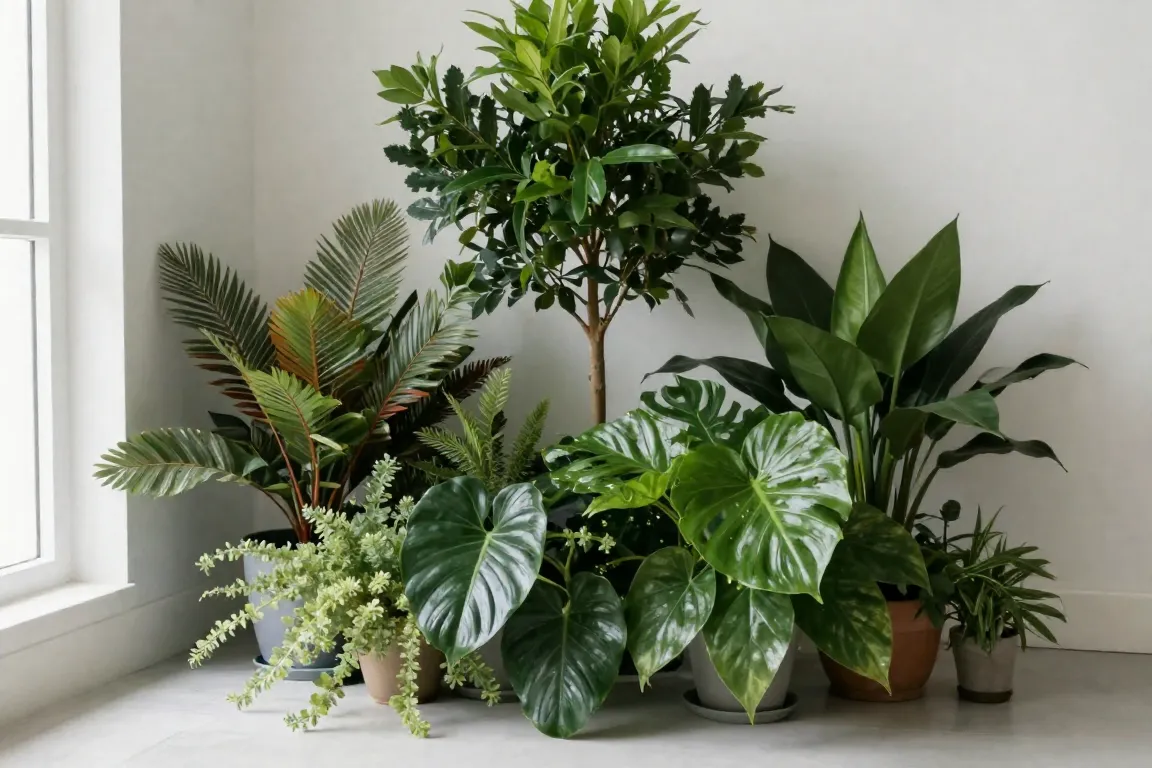
Takeaway: Plants can improve a room’s look and feel, but source reduction, ventilation, and suitable filtration should remain your indoor-air priorities.
What else do readers ask about air-purifying plants?
The most important questions are whether individual plants have meaningful evidence, whether a plant can help with more than one pollutant, how many plants you need, and which options are suitable around pets. The answers must distinguish laboratory findings from real-home results.
People searching for air purifying indoor plants for oxygen often combine two different ideas. Oxygen-producing plants release oxygen during photosynthesis when light is available, but ordinary household plant collections do not provide meaningful room-scale oxygen control or replace ventilation.
Which plant should you choose if air quality is your goal?
Choose whichever plant suits your room’s light, maintenance needs, and household safety requirements. Use pollutant research to understand what’s been studied, not to promise cleaner indoor air. For real pollution control, prioritize the source, ventilation, and suitable filtration.
A good indoor plant is still worth having. Just give it the right job.
That is a more useful way to compare the best indoor plants for air quality than treating chamber results as a definitive ranking of the best plants for air purification.
And that raises a more useful question: which source of indoor pollution would make the biggest difference to address first in your room?