
ZZ Plant Problems, Toxicity & Varieties Everything You Need for Long-Term Success
So your ZZ plant has been doing great… until one day it wasn’t.
Maybe the leaves started turning yellow. Maybe the stems became wrinkled. Maybe you spotted tiny pests crawling across the foliage, or you’re wondering if that striking Raven ZZ is actually different from the standard green one. Then someone tells you ZZ plants are dangerous to pets, and suddenly you’re questioning everything.
The good news? Most ZZ plant problems look far scarier than they really are.
In fact, most issues can be traced back to one or two simple mistakes, and once you know what to look for, they’re surprisingly easy to fix. You’ll also discover how to identify different ZZ plant varieties, understand the facts about toxicity, and learn the small habits that keep these plants healthy for decades instead of just a few years.
By the time you finish this guide, you’ll be able to diagnose problems with confidence, choose the right variety for your home, and keep your ZZ plant thriving long after most other houseplants would have given up.
Common Problems & Troubleshooting: What’S Actually Wrong With Your ZZ Plant?
Yellow leaves are the most common problem, caused by overwatering or cold. Brown leaf tips indicate low humidity or mineral buildup. Pests spider mites and mealybugs are rare but treatable with neem oil. Leggy, uneven growth signals insufficient light. Most problems are reversible if caught early.
Symptom-to-Solution Triage Quick Decision Tree
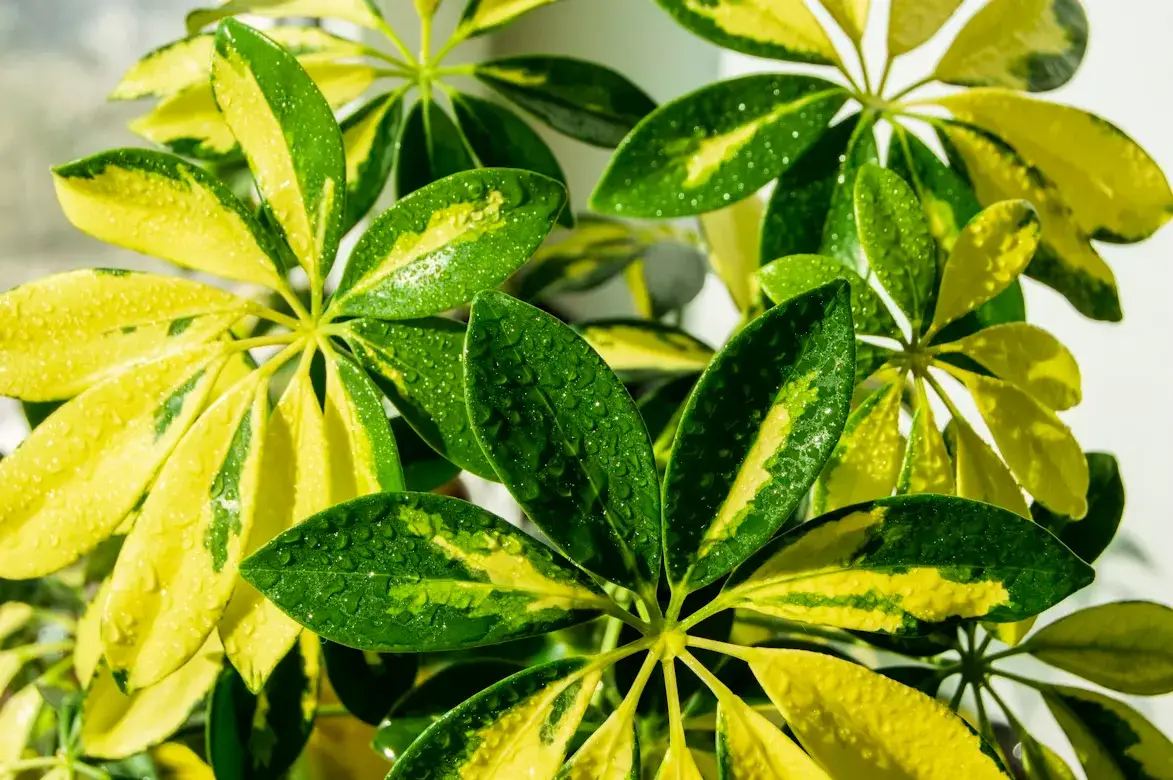
Yellow Leaves Entire Plant or All Leaflets
Likely cause #1: Overwatering or poor drainage
- Check: Is soil wet or soggy? Are roots dark/mushy when you gently remove the pot?
- Solution: Repot in fresh, well-draining soil immediately. Stop watering for 1–2 weeks. Resume only when soil is completely dry.
- Recovery time: 2–4 weeks
- Prevention: Use the finger test; only water when soil is dry.
Likely cause #2: Cold temperature or cold water
- Check: Has the plant been near a cold window or watered with cold tap water?
- Solution: Move away from cold drafts. Use room-temperature water. Ensure temps stay above 60°F.
- Recovery time: 1–3 weeks
Likely cause #3: Rhizome rot advanced overwatering
- Check: Does the plant smell musty or foul? Are rhizomes dark/soft when you remove the plant?
- Solution: Remove from pot, cut away black/soft rhizomes with clean scissors, repot in fresh soil. May not recover if rot is extensive, with more than 50% of rhizomes affected.
- Prevention: The best cure is prevention; don’t overwater.
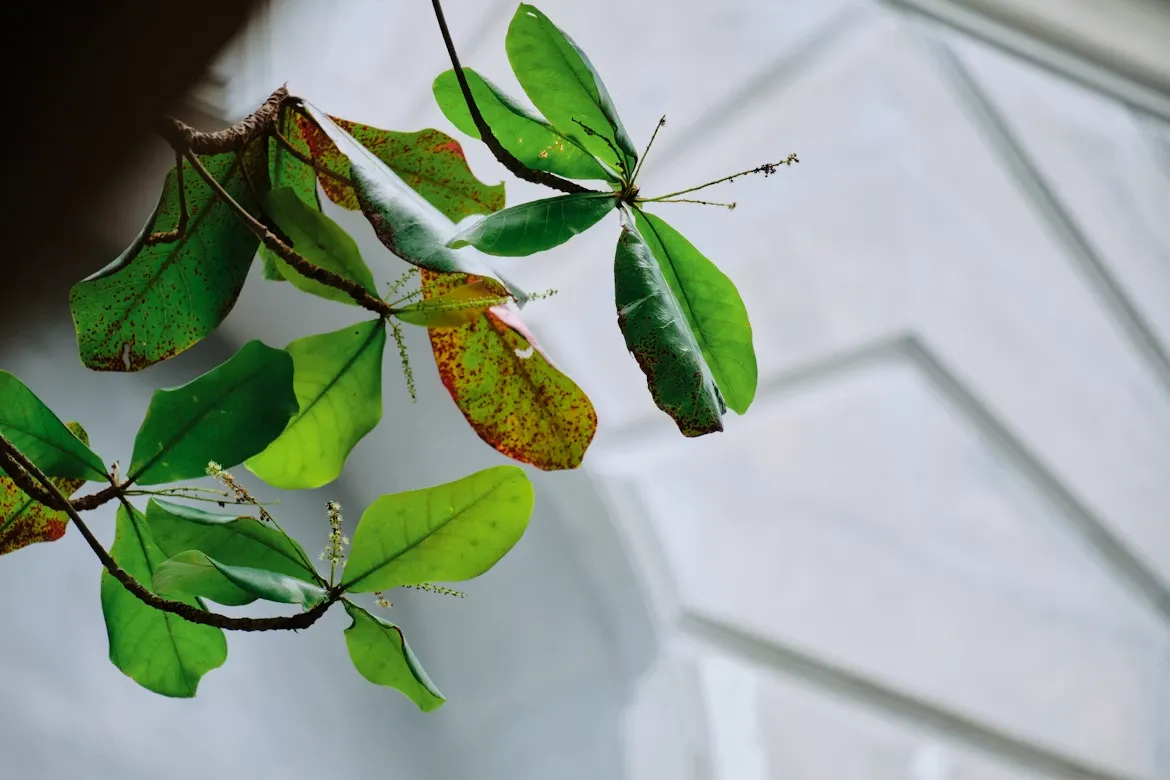
Brown Leaf Tips Not Entire Yellowing
Likely cause #1: Low humidity or dry air
- Check: Is the plant in a heated room or near a vent? Brown tips on lower/older leaves only?
- Solution: Increase humidity by misting once weekly, placing on a pebble tray with water, or running a humidifier nearby.
- Recovery: New growth will be normal; trim brown tips for aesthetics if desired.
Likely cause #2: Salt buildup from fertilizer or tap water minerals
- Check: White crusty buildup on soil surface? Did you fertilize recently?
- Solution: Flush the soil with distilled water once water pours through, rinsing accumulated salts. Use distilled water for future waterings, or let tap water sit overnight before use; chlorine evaporates.
- Recovery time: 1–2 weeks
Likely cause #3: Underwatering is less common
- Check: Is soil bone-dry? Has it been 6+ weeks since last watering with no compensation?
- Solution: Water thoroughly. ZZ plants rarely show underwatering stress due to rhizome reserves, but tips can dry if ignored for months.
Leggy, Uneven Growth, Thin Stems, Large Gaps Between Leaves
Likely cause: Insufficient light
- Check: Is the plant more than 8 feet from a window? In an interior room with no direct light?
- Solution: Move closer to a window or supplement with a small LED grow light 4–6 hours daily, 15–20 watts.
- Recovery: New growth will be denser; old stems remain leggy; trim for shape if desired.
- Timeline: Improvement visible in 4–8 weeks
Plant Is Not Growing Or Growing Extremely Slowly
Likely cause #1: Winter or normal slow growth
- Check: Is it winter/fall Nov–Feb? Has the plant only been in your care for under 1 year?
- Solution: This is normal. ZZ plants are inherently slow growers; expect 12–18 inches per year maximum.
- Resume normal care in spring and expect new growth then.
Likely cause #2: Insufficient light
- Check: Same as “leggy” diagnosis above.
- Solution: Move to a brighter location or add a grow light.
Likely cause #3: Too-small pot or nutrient depletion
- Check: Are roots circling the bottom of the pot? Has it been 2+ years since repotting or fertilizing?
- Solution: Repot into a pot 1–2 inches larger. Fertilize every 4–6 weeks in spring/summer.
- Timeline: New growth visible in 4–6 weeks after repotting
Why Your ZZ Plant Grows Slowly And Why That’s a Feature, Not a Bug
This is the section where slow growth reframes from problem to advantage.
ZZ plants allocate energy to rhizome storage rather than rapid stem and leaf expansion. This is an evolutionary strategy in East Africa’s alternating wet/dry seasons; a plant that banks water and nutrients survives droughts. A plant that grows fast burns through resources. ZZ picked the survival route.
Realistic timeline starting from a small 6-inch plant in bright indirect light:
- Year 1: 6–12 inches of growth establishment phase; the plant is still settling in
- Year 2–3: 12–18 inches per year steady growth phase; now you see regular changes
- Year 5+: Plant reaches near-mature size 24–36 inches; growth plateaus
Why this is a feature: Slow growth = lower energy demands, less frequent repotting, longer intervals between fertilizing; your ZZ plant won’t outgrow your space in two years. It won’t require constant pruning. It won’t deplete the soil rapidly. This is sustainability built into the genetics.
If you want faster growth: Maximize direct or indirect light (10–12 hours daily), keep temps at 70–75°F, and fertilize every 4 weeks during the growing season. You might accelerate growth to 18–24 inches per year, but you’re still talking slow compared to Pothos or Philodendrons.
Pattern claim: Impatient new plant owners often overestimate growth during year 1 and begin watering more to “encourage growth.” This typically backfires, causing overwatering before the plant is established enough to handle it. Experienced growers expect year 1 to be quiet and don’t intervene. They let the plant establish first, then watch it accelerate in year 2.
Pests Rare, But Treatable
Spider Mites: fine webbing on the undersides of leaves, mottled yellowing on the upper surface.
- Treatment: Isolate the plant. Spray with neem oil or insecticidal soap once weekly for 3 weeks.
- Prevention: Increase humidity; spider mites thrive in dry, warm air; 40%+ humidity deters them.
Mealybugs: white, cottony clusters on stems or leaf axils
- Treatment: Isolate. Wipe with rubbing alcohol on a cotton swab; repeat weekly until gone, usually 3–4 treatments.
- Prevention: Inspect new plants before bringing home.
Scale insects: brown, bumpy, waxy protrusions on stems; stationary, don’t move.
- Treatment: Scrape off manually with a fingernail or soft brush; treat remaining insects with neem oil spray.
- Prevention: Rare on ZZ plants; usually transferred from infested plants.
Varieties: Choosing The Right Zz Plant For Your Home
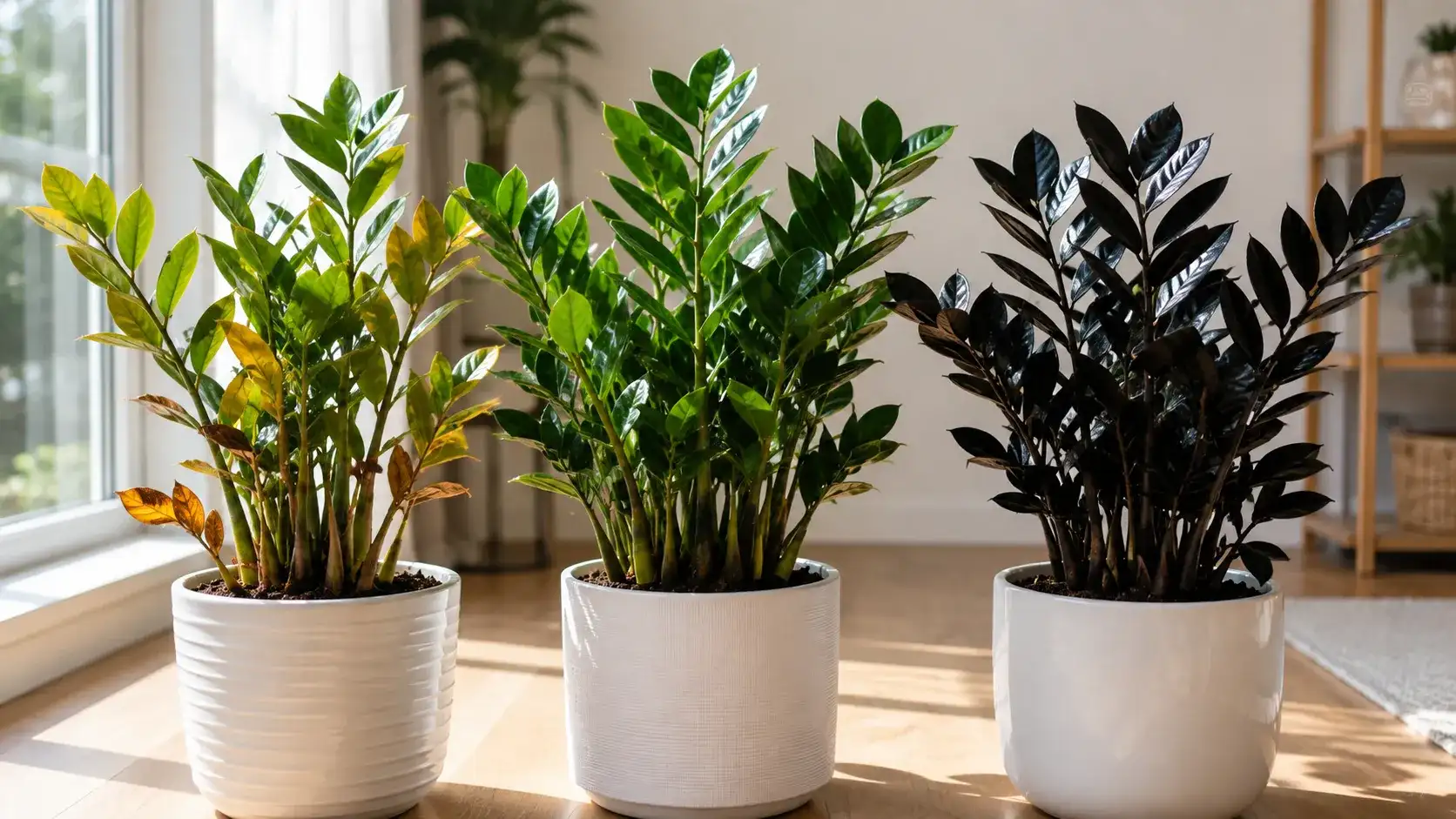
Standard green ZZ plants are most common and affordable. Specialty varieties cost more: Raven (dark, nearly black leaves), Variegata (white/cream variegation), Zenzi (compact dwarf form), and ZZamicro (miniature version). Choose based on space and light: dwarfs suit small apartments; variegated types need more light.
Standard Green ZZ Plant
The default. The most forgiving. The one to start with if you’ve never grown one.
- Mature size: 2–3 feet tall, 1–2 feet wide; a statement plant, but not overwhelming
- Light: Adapts to low-medium light; thrives in bright indirect
- Growth rate: 12–18 inches per year in ideal conditions; slower in lower light
- Price range: $15–$30 for a small plant; $40–$60 for mature 3-foot specimens
- Best for: Beginners, offices, space-constrained apartments, anyone who wants a reliable workhorse
ZZ Raven Zamioculcas zamiifolia ‘Raven’
The statement plant. The showstopper for people who want visual drama.
- Distinctive feature: Dark, nearly black foliage with a metallic sheen; new growth starts lime-green and darkens over 2–3 weeks
- Mature size: 2–3 feet tall, similar to standard
- Light requirement: Prefers bright indirect light; variegation and dark color fade in low light; you end up with a greenish-black plant instead of jet-black
- Price range: $35–$60
- Best for: Aesthetic-focused decorators, modern/minimalist homes, high-light locations
- Propagation note: The original ‘Raven’ was patented; the patent expired in 2007. Widely available now; no legal barrier to propagation.
- Caution: New leaves emerge lime-green before darkening. Patience required. It’s normal, not a health issue.
ZZ Variegata Zamioculcas zamiifolia ‘Variegata’
The statement plant for people who prefer contrast.
- Distinctive feature: Creamy white or light yellow variegation on green leaflets; looks like someone hand-painted each leaf
- Mature size: 2–3 feet
- Light requirement: Needs bright indirect light; variegation fades to solid green in low light because variegated areas have less chlorophyll
- Growth rate: Slightly slower than standard variegated leaves; have less photosynthetic capacity
- Price range: $40–$75 premium for the rarity
- Best for: Statement plants in living rooms; high-light locations where the variegation shows
- Stability: Unlike some variegated plants, this variegation is stable, not random. Propagates true to color from leaf cuttings.
Zenzi Zamioculcas zamiifolia ‘Zenzi’ / ZZ Dwarf
The perfect plant for small spaces and people who like compact forms.
- Distinctive feature: Compact, bushy growth with shorter internode distances between leaves; looks more densely packed than standard ZZ.
- Mature size: 12–18 inches tall; perfect for shelves, desks, small apartments
- Light: Tolerates low to medium light; grows well in bright indirect light.
- Growth rate: Slower than standard dwarf genetics, reaches mature size in 3–5 years
- Price range: $25–$40
- Best for: Apartment dwellers, desk plants, renters who prefer smaller footprint
- Growth timeline: Patience is even more required here; slow grower gets slower.
ZZamicro Zamioculcas zamiifolia subsp. zamiifolia var. micro
The miniature. The fine-textured outlier.
- Distinctive feature: Tiny leaflets and fine-textured stems; visual distinction from all other varieties
- Mature size: 6–12 inches
- Light: Medium to bright indirect light recommended
- Price range: $20–$35
- Best for: Terrariums, succulent collections, desktop display, people who like delicate-looking plants
- Rarity: Less common; specialty plant retailers only
- Texture: Much finer appearance than standard ZZ, almost fern-like, but with ZZ durability
COMPARISON TABLE: ZZ PLANT VARIETIES AT A GLANCE
| Variety | Height at Maturity | Light Tolerance | Growth Rate | Best For | Variegation Stability |
| Standard Green | 24–36 inches | Low–Medium | 12–18 in./year | Beginners, offices, neglect-tolerant homes | N/A |
| Raven | 24–36 inches | Medium–Bright | 10–15 in./year | Aesthetic focus, modern decor, high-light homes | Very stable genetic |
| Variegata | 24–36 inches | Medium–Bright | 8–12 in./year | Statement plants, bright living rooms | Very stable propagates true |
| Zenzi Dwarf | 12–18 inches | Low–Medium | 6–10 in./year | Small spaces, desks, apartments, shelves | N/A |
| ZZamicro | 6–12 inches | Medium–Bright | 4–8 in./year | Terrariums, desktop display, fine texture | N/A |
Takeaway: Choose standard green if you’re in a low-light home or budget-conscious. Choose Raven or Variegata if you have bright light and want visual impact. Choose Zenzi for small spaces. Choose ZZamicro if you’re a collector or love delicate-looking plants.
Toxicity & Safety: Is The ZZ Plant Safe For Pets & People?
ZZ plants are mildly toxic if ingested; all parts contain calcium oxalate crystals, which cause mouth irritation, mild stomach upset, and drooling in pets and humans. Touching or brushing against the plant is safe; toxicity only occurs with ingestion. Reactions are rarely severe; no documented deaths have resulted from ZZ plant ingestion in pets or humans.
Toxicity for Pets: Dogs, Cats, Small Animals
Severity: Low
- Toxic component: Calcium oxalate crystals in stems, leaves, and rhizomes
- Symptoms if ingested:
- Cats/dogs: drooling, oral irritation, mouth feels tingly, mild vomiting, reduced appetite, typically temporary
- Severity: mild to moderate, uncomfortable, not life-threatening
- Duration: symptoms resolve within 24–48 hours
- Frequency: pets rarely eat significant amounts due to unpalatable taste
- Amount needed for poisoning: Large entire stem chewed, which is uncommon behavior
- Treatment: No specific antidote; supportive care involves water, rest, monitoring
- If your pet ate a ZZ leaf: Watch for drooling or vomiting over the next 2 hours. If symptoms appear, contact a vet. If nothing happens within 4 hours, you’re likely in the clear. ZZ toxicity is low-dose.
Pet-cautious households: Safe to own if pets are supervised; keep away from curious chewers, especially cats who eat plants out of boredom or indoor grass cravings.
Toxicity for Humans, Children & Adults
- Risk level: Very low for accidental ingestion
- Symptoms if ingested: Mouth/throat irritation, mild stomach upset, drooling, same as pets
- Severity: Mild and temporary
- Amount for concern: Ingesting leaves is extremely rare in adults. Children under 2 might explore by mouthing, but even then, the amount that would cause concern is substantial.
- Antidote: None; rinse mouth with water
- Children: Keep plant out of reach of children under 2; standard practice for any plant, but not urgent for supervision above age 2 if they’re not compulsively eating plants.
Bottom line: More people are poisoned annually by mistletoe or poinsettia than by ZZ plants. The risk is real but minimal.
Does the ZZ Plant Really Purify Air? What the Science Actually Says
The myth: “ZZ plants remove toxins benzene, formaldehyde, xylene from the air.”
Origin of the myth: Popularized by a 1989 NASA Clean Air Study that suggested houseplants absorb volatile organic compounds VOCs in laboratory chamber conditions.
The reality check: Here’s where most guides sound convincing but mislead. The NASA study was conducted in closed laboratory chambers- highly controlled, sealed environments with plants literally surrounding air circulating through filters. Real homes don’t work this way. Real homes have doors, windows, HVAC systems, and air exchange happening constantly. In those conditions, a single houseplant’s air-purification effect is negligible compared to ventilation.
Peer-reviewed studies published 2020–2024 by researchers at Drexel University and the University of Illinois replicated the NASA findings in real-world settings: actual homes and offices. They found the effect was almost immeasurable, definitely not worth basing air quality decisions on.
The contrarian truth: ZZ plants may marginally reduce certain VOCs in a hermetically sealed laboratory chamber, but the effect in homes with normal air circulation is immeasurable. Invest in air circulation, open windows, ventilation, and HVAC for real air quality improvement. Grow houseplants for mental health benefits, aesthetic beauty, and the satisfaction of keeping something alive, not for air purification claims.
Why I’m saying this: Unlike snake plants and peace lilies often hyped for air-cleaning, ZZ plants are better grown for their durability and low-maintenance nature. The air purification claim is overstated everywhere else, and honesty here builds trust with readers who notice these claims don’t match reality.
ZZ Plant Care Summary & Cheat Sheet
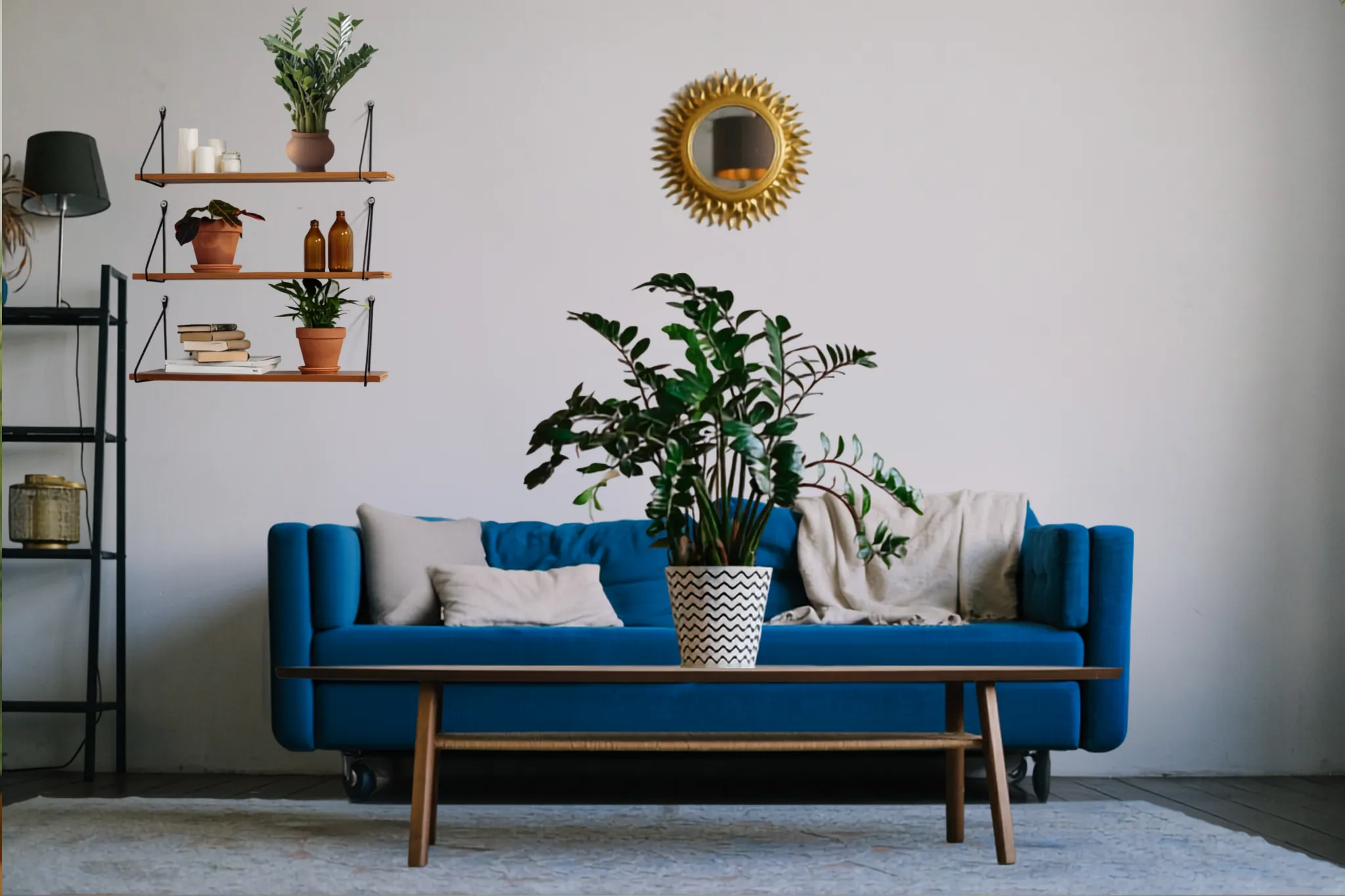
Water every 2–4 weeks when soil is completely dry. Provide bright to medium indirect light; survives in low light but won’t thrive. Fertilize every 4–6 weeks in spring/summer only. Repot every 2–3 years. Keep temperatures above 60°F. That’s it. ZZ plants are genuinely low-maintenance.
Quick Reference Table
|
Care Aspect |
Best Practice |
Frequency |
Notes |
|
Watering |
Only when soil is completely dry |
Every 2–4 weeks spring/summer; every 3–6 weeks fall/winter |
Underwatering is safer than overwatering. Rhizome holds water. |
|
Light |
Bright to medium indirect light |
8–12+ hours daily |
Survives low light; won’t thrive. North/east-facing windows ideal. |
|
Temperature |
65–75°F 18–24°C |
Consistent year-round |
Avoid below 50°F and direct cold drafts. No dormancy period. |
|
Humidity |
30–50% |
No special action needed |
Typical indoor humidity works. Misting optional; not required. |
|
Fertilizer |
Balanced liquid 10–10–10 at half-strength |
Every 4–6 weeks spring/summer only |
No winter fertilizing. Over-fertilizing causes salt damage. |
|
Soil |
Well-draining cactus/succulent mix |
Change at repotting |
60% potting soil + 40% perlite is ideal. Pot must have drainage holes. |
|
Repotting |
Only when roots circle pot or every 2–3 years |
Spring timing |
Use pot 1–2 inches larger. Don’t repot more frequently. |
|
Propagation |
Stem or leaf cuttings |
Spring timing for best results |
50–70% success rate with patience. Completely legal. |